Dreaming about a bigger yard usually starts with one simple idea: more space to live the way you want. In Louisa, that can mean room for a serious garden, a few hobby-scale projects, or just the quiet that comes with extra acreage. If you are wondering whether Louisa really fits that lifestyle, this guide will walk you through what makes the area appealing, what to verify before you buy, and how to think about land with clear eyes. Let’s dive in.
Why Louisa Fits Acreage Living
Louisa County has a landscape that already leans rural. County materials describe the area as 71% forest, 16% crop, pasture, or open land, and just 10% developed land. That mix helps explain why acreage living feels natural here instead of forced.
The county also places real emphasis on preserving rural character, agriculture, forestry, and environmental stewardship. In practical terms, that means larger parcels and land-based uses are part of the county’s long-term identity. If you want breathing room, Louisa offers a setting where that goal matches the broader character of the area.
Location is another part of the appeal. Louisa gives you a quieter pace while still offering practical access to Richmond and Charlottesville. For many buyers, that balance is the sweet spot: rural space without feeling completely cut off.
What Zoning and Land Use Mean
If you are shopping for acreage, the big question is not just how much land a property has. It is also what you can realistically do with it. Louisa’s zoning descriptions make it clear that agricultural uses are not an afterthought here.
The county says the A-1 district is intended to accommodate farming, forestry, livestock maintenance, and related farm activity. The A-2 district allows a compatible mix of agricultural uses and very low density residential development. That matters if you are looking for land that supports more than just a large lawn.
Louisa also has an Agricultural and Forestal District Program that county officials describe as a way to safeguard rural character and lower property taxation for qualifying land. In addition, the county’s Land Use Program may apply to certain parcels kept in agricultural, horticultural, forest, or open-space use. That said, this is a tax deferral, not a discount, so it is important to understand the distinction before you make assumptions.
Land Use Thresholds to Know
For buyers thinking long term, acreage minimums are important. Louisa says qualifying parcels generally need:
- At least 5 open acres for agricultural or horticultural use
- At least 20 acres for forest use
- At least 5 acres for open-space use
Those numbers can make a real difference in how you evaluate a property. A parcel that sounds ideal at first glance may not meet the standards you expected. Before you count on any tax treatment, it is smart to confirm the parcel’s acreage, current use, and eligibility with the county.
Garden Potential in Louisa
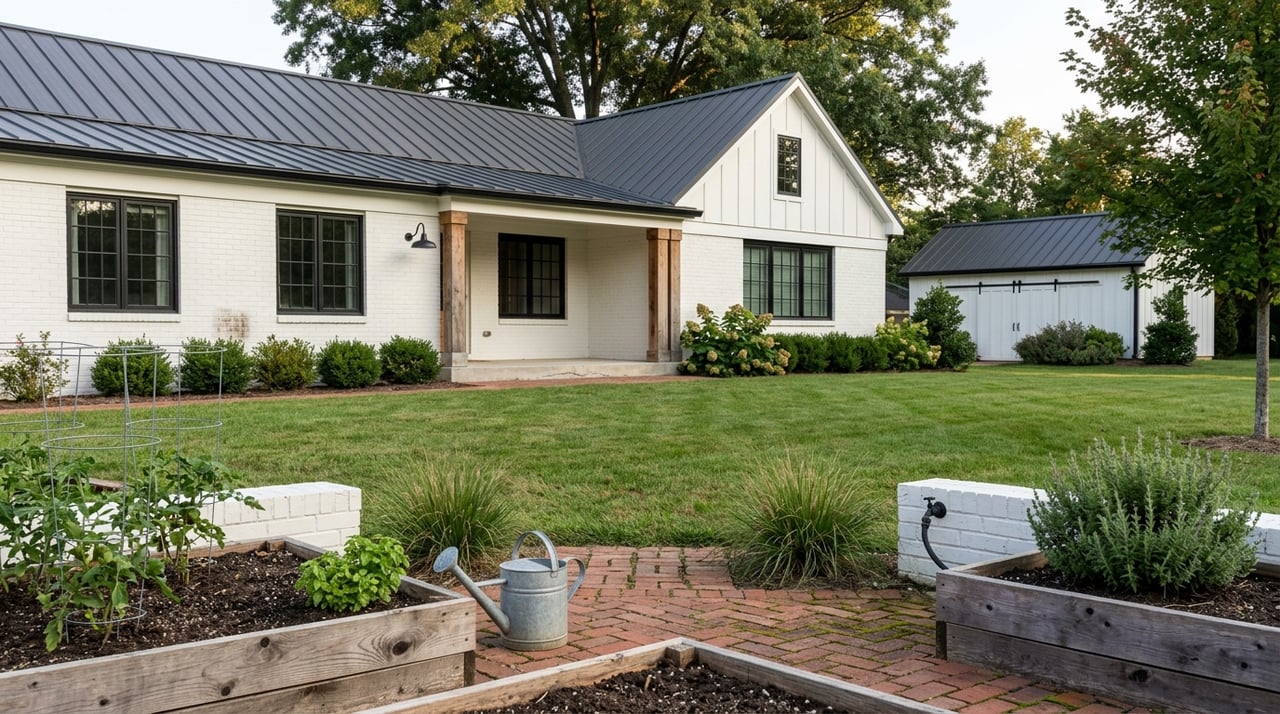
If your vision includes raised beds, fruit trees, herbs, or a larger vegetable garden, Louisa has a lot going for it. County materials describe the climate as moderate, with an annual average temperature of 56°F and about 41.6 inches of precipitation. That gives you a workable growing environment for a wide range of home gardening goals.
Seasonally, Louisa reports average January highs and lows of 47°F and 26°F, along with average July highs and lows of 88°F and 65°F. The county also reports about 14 inches of snowfall annually. In short, you get a real four-season climate with a solid growing season, but timing still matters.
Virginia Cooperative Extension notes that Virginia is a good climate for fruits, vegetables, and herbs. Its home-garden planting guidance uses hardiness zones and frost dates to help gardeners time their planting windows. For buyers, that is a good reminder that successful gardening in Louisa is realistic, but every parcel has its own microclimate.
What Makes a Parcel Garden-Friendly
A beautiful piece of land is not always the easiest place to garden. Virginia Tech’s garden planning guidance recommends placing a vegetable garden where it gets at least six hours of sun, with eight to ten hours being ideal. It also recommends loose, well-drained soil, a reliable water source, and a spot close enough to the home that you will actually keep up with it.
That advice is especially helpful when you are evaluating rural property. A large lot may offer plenty of room, but dense tree cover, steep slopes, or distance from a water source can change how practical your garden plans really are. The best garden parcel is not just big. It is usable.
On sloped land, raised beds, terraces, or contour rows can help reduce erosion. Virginia Tech also notes that south-facing slopes tend to be warmer and less subject to damaging frosts. If a property has varied topography, those details can shape where your best growing space will be.
Local Support for New Gardeners
One overlooked advantage of settling in Louisa is that you are not on your own. Virginia Cooperative Extension’s Louisa office offers Master Gardener resources for gardening questions, plant and insect identification, and community projects. That kind of local support can be helpful whether you are planting your first backyard bed or trying to manage a larger home garden more confidently.
For many buyers, this matters more than they expect. Garden-friendly living is not only about climate and lot size. It is also about having nearby knowledge when weather, pests, or soil conditions do not cooperate.
Rural Property Realities to Check
Acreage can give you flexibility, privacy, and room to grow. It also tends to come with more property-specific questions than a typical neighborhood lot. In Louisa, utilities, permits, and site conditions deserve close attention before you commit.
County materials list county-wide fiber broadband among local utilities. At the same time, public water and sewer are concentrated in designated growth areas. The county specifically highlights public water, sewer, natural gas, and high-speed internet in the Zion Crossroads and Town of Mineral growth areas.
That tells you something important. Utility access can be strong in some parts of Louisa and much more variable on rural parcels. If you are considering acreage, verify service at the property level instead of assuming it is available everywhere.
Well and Septic Questions
For many rural buyers, private well and septic service is one of the biggest adjustments. Louisa County directs well and septic questions to the Louisa office of the Virginia Department of Health. The county’s wells page also says a permit package is required for all new and replacement well installations.
The Blue Ridge Health District says its onsite sewage and water program oversees private well supplies and sewage disposal systems in Louisa and nearby counties. For newly built homes, county inspection guidance says the final certificate of occupancy depends on the Virginia Department of Health operations permit for well and septic. That is a strong reason to build extra time into your planning if the property will need new systems or major changes.
Permits and Improvement Timelines
Buyers often focus on the land itself and underestimate the timeline for improving it. Louisa County says a land-disturbing permit is generally needed when a project disturbs more than 10,000 square feet. That work must include erosion and sediment control plans reviewed by the Thomas Jefferson Soil and Water Conservation District.
The county also says sheds over 256 square feet need a building permit, while smaller sheds still need a zoning permit to satisfy setback rules. County FAQs add that a home permit often takes a few weeks, but health department permits can take 60 days or more. If you want to add structures, create garden infrastructure, or prepare a homesite, it is wise to budget time before you budget money.
Flexibility Buyers Often Appreciate
Louisa’s rural setting can feel more flexible than many suburban areas. The county says fencing is not currently regulated unless it is also a retaining wall. For buyers who want a garden area, a fenced yard, or room to shape the property over time, that can be an appealing detail.
At the same time, county zoning guidance encourages setbacks, shared access, roadside buffers, and other development patterns that preserve rural character. So while acreage can offer freedom, it is still important to verify zoning, setbacks, and site-specific rules before making plans. Good rural buying is about possibility, but it is also about due diligence.
Everyday Access in Louisa
One of the biggest misconceptions about rural living is that you must give up convenience. Louisa is quieter than many in-town markets, but county transportation materials show it remains connected. I-64 runs through or near the county, with I-81 and I-95 within regional reach, and U.S. Routes 29, 15, 522, and 250 serve the area.
For daily needs, county materials say retail and services are available through the towns of Louisa and Mineral, along with rural shops and stores. The county also notes that shopping centers in the Richmond, Charlottesville, and Fredericksburg metro areas remain easily accessible. If you want land first and convenience second, Louisa makes that balance more realistic than many buyers expect.
How to Evaluate a Louisa Acreage Property
When you tour land or rural homes in Louisa, try to think beyond the listing photos. A good property for your lifestyle should support both your short-term use and your long-term plans. That means asking practical questions early.
Here are a few smart things to review:
- Whether the parcel’s zoning fits your intended use
- Whether the acreage may qualify for land-use tax treatment
- Where the best sunny, well-drained garden area sits
- Whether water, sewer, septic, and internet access are confirmed
- What permits may be needed for sheds, grading, fencing, or other improvements
- How slopes, tree cover, and drainage affect the usable portion of the land
This is where local guidance matters. If you are comparing multiple rural properties, the details can shift quickly from one parcel to the next. A team with experience in acreage and rural homes can help you see both the upside and the work involved before you buy.
If you are exploring acreage and garden-friendly living in Louisa, the right property is about more than raw land count. It is about finding a parcel that fits your goals, your maintenance comfort level, and the kind of day-to-day life you actually want. When you are ready to sort through the practical details and narrow in on the right fit, The Griggs Group can help you navigate Louisa with clear, local insight.
FAQs
Can acreage in Louisa qualify for land-use tax treatment?
- Often, yes. Louisa says its Land Use Program generally requires at least 5 open acres for agricultural or horticultural use, 20 acres for forest use, or 5 acres for open-space use, and the program is a tax deferral rather than a discount.
Can you garden successfully on acreage in Louisa?
- Yes, many buyers can. Louisa’s moderate climate supports gardening, and Virginia Tech recommends choosing a site with strong sun exposure, well-drained soil, nearby water, and regular maintenance.
Do rural properties in Louisa always have public water and sewer?
- No. County materials show public water and sewer are concentrated in growth areas such as Zion Crossroads and the Town of Mineral, so rural parcels should be verified individually.
Do Louisa rural properties commonly use well and septic systems?
- They can. Louisa County and the Virginia Department of Health materials make clear that well and septic systems are an important part of rural property planning and permitting.
Is Louisa too remote for everyday living?
- Not necessarily. County transportation materials highlight access to I-64 and regional routes, along with service centers in Louisa and Mineral and practical reach to Charlottesville, Richmond, and Fredericksburg.
What should you check before buying acreage in Louisa?
- Focus on zoning, land-use eligibility, utility access, well and septic requirements, site drainage, slope, sun exposure, and any permit timelines tied to your future plans.