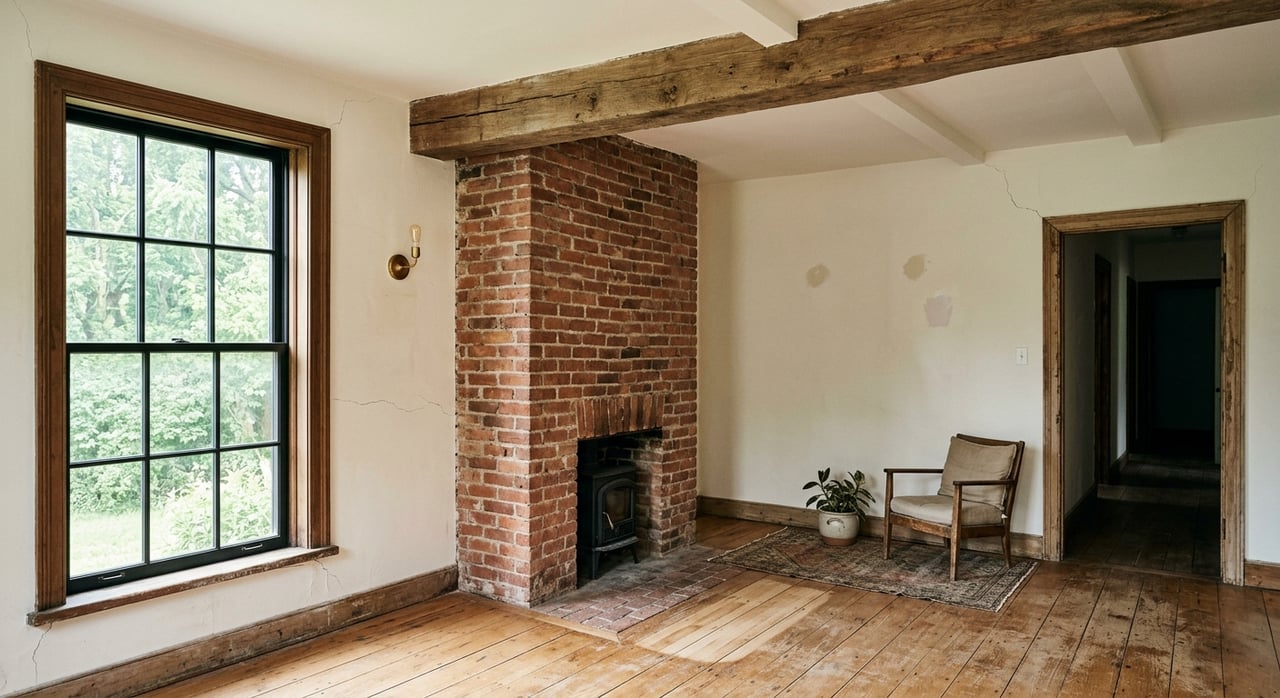
Thinking about buying a fixer-upper in Waynesboro? The right property can open the door to instant equity, a better location, or a home you can shape around your needs. But before you fall for original charm or a lower list price, you need a clear way to separate manageable updates from expensive surprises. This guide will help you evaluate fixer-upper homes in Waynesboro with more confidence, from what to inspect first to how local permits and timelines can affect your plans. Let’s dive in.
Start With the Right Question
When you tour a fixer-upper, ask yourself one thing first: Is this home mostly cosmetic, or does it have deeper system or structural issues? That question can shape your budget, timeline, financing, and negotiation strategy.
A practical way to evaluate the work is to split it into three buckets:
- Cosmetic: paint, flooring, cabinets, fixtures, and surface updates
- Systems: electrical, plumbing, HVAC, insulation, and ventilation
- Structure: roof, foundation, crawlspace, grading, and moisture-related issues
That distinction matters because major problems in the roof, foundation, electrical, plumbing, or HVAC often affect several trades at once. In real terms, that usually means more money, more permits, and more time.
Inspect the Big-Ticket Items First
According to the Consumer Financial Protection Bureau, you should schedule a home inspection as soon as possible and attend it if you can. For a fixer-upper, that early inspection is one of your most important decision tools.
Fannie Mae notes that a typical home inspection often covers:
- Electrical systems
- Gas systems
- Plumbing
- Roofing
- Insulation and ventilation
- Heating and cooling
- Foundation and crawlspaces
- Walls and windows
- Grading
- Interior features
You can review that general scope in Fannie Mae’s overview of the home inspection report. If you are evaluating an older or visibly worn property, these core items deserve more attention than cosmetic finishes.
Look Past Fresh Paint
A clean kitchen or newly painted room can make a home feel more updated than it really is. Try to look beyond staging and surface-level improvements.
Pay close attention to signs of moisture, uneven floors, cracks, aging roofing, outdated mechanical systems, or patchwork repairs. In a fixer-upper, those clues often tell you more than countertops or light fixtures ever will.
Know What a Standard Inspection Misses
A standard home inspection is valuable, but it does not cover everything. Fannie Mae explains that inspections do not normally cover detached structures, decks, buried or concealed items, certain environmental hazards, code compliance, insurability, or a system’s remaining life expectancy.
If you have concerns about radon, pests, asbestos, mold, or lead, you may need a specialist. That is especially important if the home is older or if you plan a major renovation soon after closing.
Pay Special Attention to Older Homes
Waynesboro has homes from a range of eras, and age can add both character and risk. If a home was built before 1978, the EPA says it may contain lead-based paint, and the older the home is, the more likely that becomes.
The EPA recommends that you either assume pre-1978 homes contain lead-based paint or hire a certified inspector or risk assessor. You can review that guidance on the EPA’s page about lead-based paint in homes.
If renovation work will disturb painted surfaces, the rules can matter too. Under the EPA’s Renovation, Repair and Painting program, lead-safe certified firms are required for renovation work done for compensation in covered homes.
Use the Inspection Contingency Wisely
If you are buying a fixer-upper, the inspection contingency can protect you. The CFPB explains that an inspection contingency may let you cancel without penalty if the inspection is unsatisfactory, and it can also create room to negotiate repairs or seller credits.
That matters even more when a home needs work. Once inspection findings reveal the true scope, you may decide to move forward, renegotiate, or walk away before taking on a project that no longer fits your budget.
Remember Inspection and Appraisal Are Different
Buyers often hear these terms together, but they serve different purposes. The CFPB notes that you generally need both, and some loan programs may require major repairs before closing or require funds to be set aside for repairs after closing.
For fixer-uppers, this can affect financing just as much as the condition of the home itself. A lower purchase price does not always mean an easier path to closing.
Understand Waynesboro Permit Rules Early
Before you price out renovations, check what the city may require. Waynesboro states that a permit is required for construction, alteration, enlargement, replacement, repair, or maintenance to a structure or its equipment, including accessory structures.
The city also lists some work that does not usually require permits, such as guttering, roof-covering replacement, vinyl siding replacement, painting, wallpaper, carpet or laminate, cabinet replacement, many fixture replacements, and replacing residential windows. Because scope can vary, the city advises buyers and owners to call Building and Zoning if they are unsure.
You can find that guidance in the city’s building permit FAQ.
Plan for Review Time
Waynesboro asks for at least 15 business days for residential plan review. If you hope to close and start work right away, that review period should be part of your timeline.
The city also notes that permits are good for six months to begin work and expire after six months with no activity or inspections. Inspections should be scheduled at least 24 hours in advance, and more than one re-inspection triggers a $50 fee.
Budget for Permit Costs
Permit fees may not be the biggest line item in a renovation, but they still affect your total budget. According to Waynesboro’s permit fee schedule, alterations to an existing structure are listed at $0.05 per square foot with a $50 minimum.
Residential electrical, plumbing, mechanical, and gas permits generally start at $50 minimums, and HVAC add or replace permits are $50 per dwelling unit. If your project touches multiple trades, those separate fees can add up quickly.
Know What the City Will Expect During Work
Permitted projects in Waynesboro may require several inspections, including footing, slab, foundation or drain tile, rough-in, framing, insulation, and final inspections. The city’s required inspections list also notes that for final inspection, utilities must be on, off-street parking must be in place, and the address must be displayed and legible from the street.
That level of detail matters if you are planning a phased renovation. It is another reason to think beyond the purchase price and consider the actual path from closing table to move-in-ready home.
Watch for Signs of Broader Property Issues
In Waynesboro, the Property Maintenance Division handles nuisance issues, high grass, inoperative vehicles, and minimum housing or property standards, usually after a citizen complaint. You can read more on the city’s Property Maintenance page.
For buyers, visible exterior neglect can be a clue. If a home shows obvious deterioration, accumulated junk, or long-deferred maintenance, there may be more going on than cosmetic wear.
Exterior Clues to Take Seriously
When you visit a property, look for:
- Overgrown grass or landscaping
- Peeling exterior surfaces
- Loose or damaged gutters
- Standing water or poor drainage
- Inoperative vehicles or cluttered yard areas
- Sagging porches or visible exterior deterioration
These details do not always mean a deal is bad. They do mean you should investigate carefully before assuming the work will be simple.
Check Historic and Flood Factors
Some fixer-uppers come with location-specific rules that affect what you can do. If a property is in a designated historic district, Waynesboro’s Certificate of Appropriateness process applies to demolition or relocation, and the city’s Planning Department describes a pre-application meeting, a first-Thursday submission deadline, and a $350 filing fee.
If a property has any flood-risk question, FEMA says its Flood Map Service Center is the official public source for flood hazard information. FEMA also advises property owners to check the map and talk with the local floodplain administrator before making changes.
Build a Better Fixer-Upper Budget
A strong fixer-upper plan needs more than a renovation wish list. You should account for inspection costs, specialist evaluations if needed, permit fees, plan review time, contractor scheduling, and possible loan-related repair requirements.
A simple way to frame your budget is to separate your numbers into categories:
- Purchase price
- Immediate safety or system repairs
- Code- or permit-related work
- Cosmetic improvements
- Holding costs during the project
- Contingency funds for surprises
That last category matters most. Once walls are opened or old systems are tested, hidden issues can appear.
Ask Smart Questions Before You Offer
Before making an offer on a fixer-upper in Waynesboro, try to answer these questions:
- What are the biggest likely costs: cosmetic, systems, or structure?
- Do I need specialist inspections beyond a standard home inspection?
- Will my financing allow the home’s current condition?
- Which planned repairs may require permits?
- How will permit review and inspection timing affect my schedule?
- Is there any sign of historic-district or flood-related limits?
If you can answer those clearly, you are in a much better position to judge whether the home is a smart opportunity or a costly distraction.
Why Local Guidance Matters
Fixer-uppers can be rewarding, but they are rarely simple. In Waynesboro, the right buying strategy means understanding the home’s true condition, the city’s permit process, and the difference between visible updates and underlying risk.
That is where practical renovation knowledge can make a real difference. When you work with a team that understands both the transaction side and the construction side, you can evaluate opportunities with more clarity and negotiate from a stronger position.
If you are considering a fixer-upper in Waynesboro and want experienced guidance on inspections, repair concerns, and value potential, connect with The Griggs Group to talk through your options.
FAQs
What should you inspect first in a fixer-upper home in Waynesboro?
- Start with the big-ticket items: roof, foundation, crawlspace, grading, electrical, plumbing, and HVAC, then evaluate cosmetic updates separately.
Do fixer-upper homes in Waynesboro usually need permits for renovations?
- Often, yes. Waynesboro says permits are required for many types of construction, alteration, replacement, repair, or maintenance, though some items like painting, certain flooring, and some fixture replacements may not usually need permits.
How long does permit review take for residential work in Waynesboro?
- Waynesboro asks for at least 15 business days for residential plan review, so it is smart to build that into your renovation timeline.
Are older fixer-upper homes in Waynesboro more likely to have lead-based paint?
- Yes. The EPA says homes built before 1978 may contain lead-based paint, and older homes are more likely to have it.
Can a home inspection contingency help when buying a fixer-upper in Waynesboro?
- Yes. The CFPB says an inspection contingency can allow you to cancel without penalty if the inspection is unsatisfactory and may also help you negotiate repairs or credits.
How can you check flood risk for a fixer-upper property in Waynesboro?
- FEMA says you can use the official Flood Map Service Center to review flood hazard information and then speak with the local floodplain administrator before making changes to the property.