Thinking about updates before you sell but unsure where to spend? You are not alone. In Albemarle County’s shifting market, smart prep can be the difference between weeks on market and multiple offers. In this guide, you will learn which cosmetic updates deliver quick wins, which major fixes you should address first, realistic costs and timelines, and how permits and financing rules can affect your strategy. Let’s dive in.
Why condition matters now in Albemarle County
Buyers in early 2026 have more options than they did during the low-inventory years. The Albemarle County single-family median sale price sits near $640,000, but active listings and days on market have risen across the region. That means condition, presentation, and price alignment carry more weight with buyers. Move-in-ready homes tend to draw stronger first impressions, fewer repair requests, and a smoother path to closing.
Cosmetic updates that pay off
Cosmetic work is often fast, affordable, and high impact. It improves photos, showings, and buyer confidence.
- Fresh neutral paint. A typical interior repaint can run around $2,000 nationally depending on size and scope. It is one of the fastest ways to brighten rooms and unify your look.
- Lighting, hardware, and small repairs. Swapping dated fixtures, replacing worn outlet covers, tightening loose knobs, and repairing trim or caulk can modernize the feel in a weekend.
- Declutter, deep clean, and staging. Clean surfaces, clear sightlines, and light staging reduce objections and help buyers focus on the space.
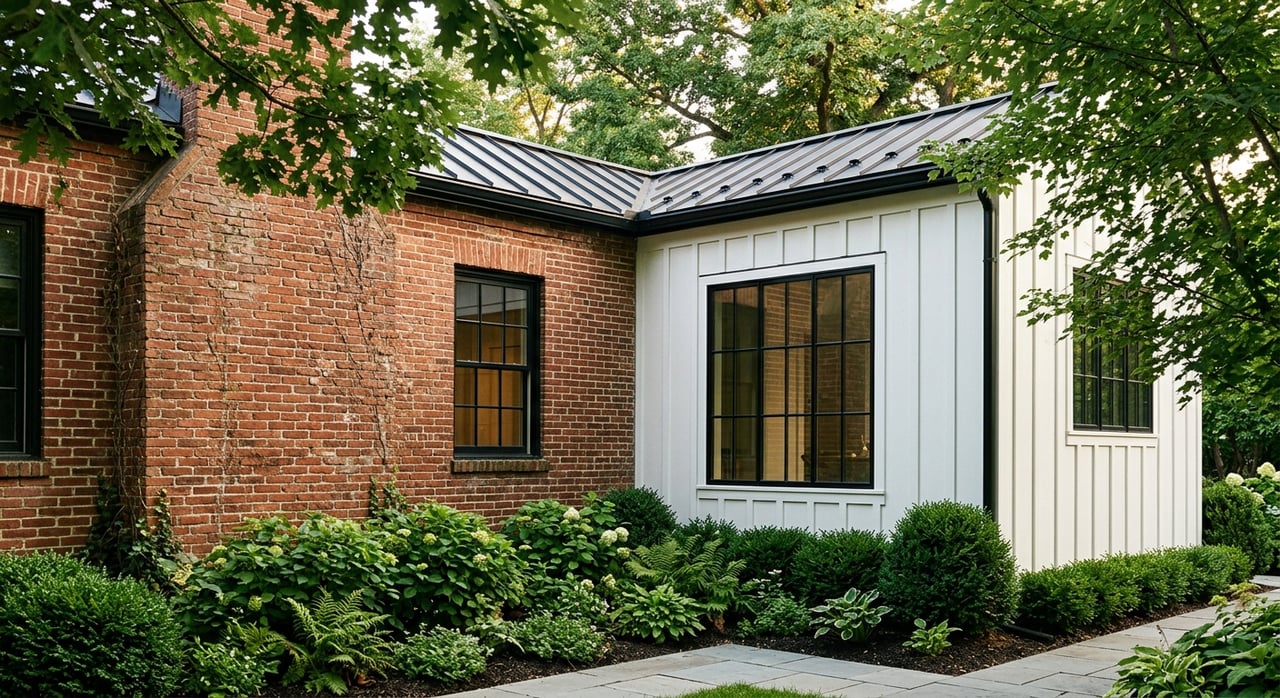
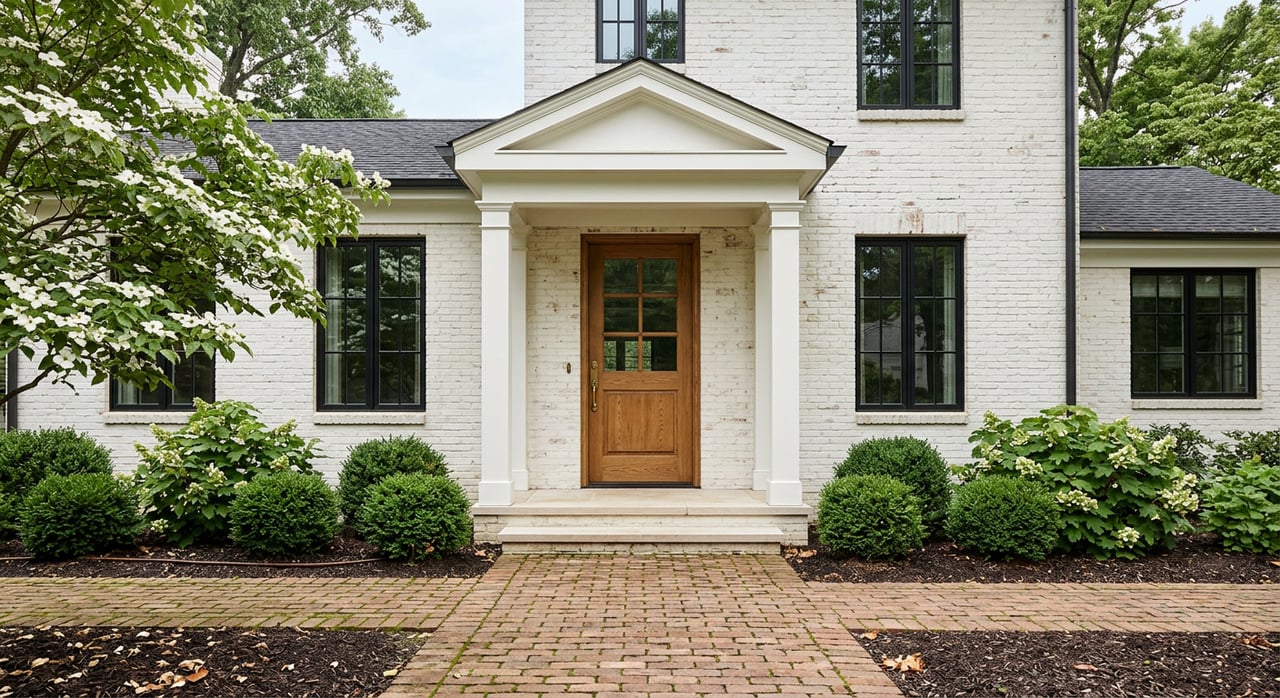
- Curb appeal tune-up. Tidy beds, fresh mulch, trimmed shrubs, pressure-washed walks, and a crisp front door set a positive tone. Garage and entry doors often show strong cost recapture in national Cost vs Value reporting.
These items are usually quick to complete, relatively low cost, and improve perceived value far beyond the spend.
Major fixes you should not ignore
Some issues can derail financing or frighten buyers. Tackle these early.
- Roof leaks or failing roofing. Water intrusion, damaged decking, or active leaks risk appraisal concerns and inspection delays.
- HVAC, electrical, and plumbing safety. Nonfunctioning heat, unsafe wiring, or significant plumbing defects can trigger lender-required repairs.
- Structural or foundation movement. Visible structural concerns and moisture damage often lead to extended negotiations and specialist reviews.
- Septic failures or unsafe water. In rural Albemarle, a failing septic or unsafe well can stop a deal until corrected.
Government-backed loans such as FHA, VA, and USDA require homes to meet minimum property standards focused on safety, soundness, and sanitation. Visible issues like nonfunctional heat, a leaking roof, unsafe electrical, or unsanitary sewer or septic conditions often must be corrected before closing. Plan for these first so you control timing and cost.
Targeted refreshes worth considering
If your basics are sound and your cosmetics are dialed in, selective refreshes can close the gap with remodeled comps.
- Minor kitchen refresh. Think cabinet refacing or paint, new counters, modern lighting, updated backsplash, and efficient appliances. National midrange projects typically cost about $20,000 to $35,000 and have shown strong cost recoup, with minor kitchen projects often near 96 percent in recent Cost vs Value data. They also boost marketability.
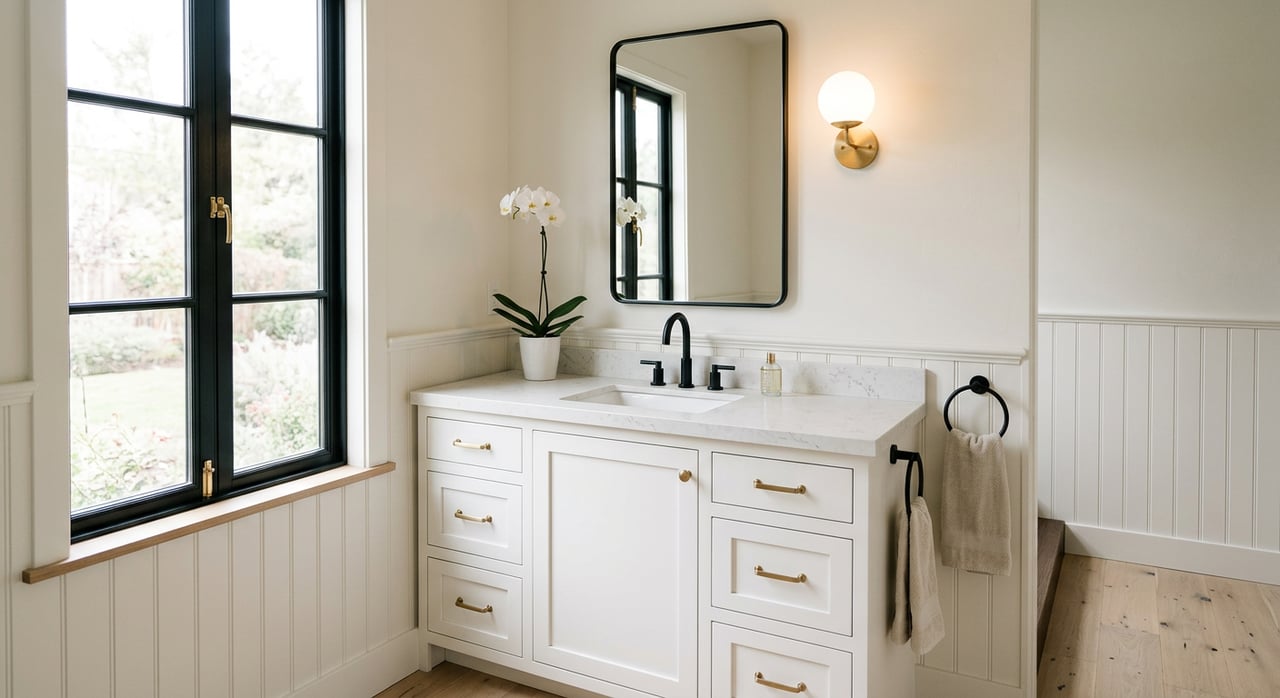
- Bathroom refresh. New vanity, faucets, lighting, and select tile updates offer a fresh look at lower cost than a full gut. Typical ranges land between $6,000 and $25,000 depending on scope.
Choose these when the current condition is a barrier to offers or when remodeled comps in your price band clearly command stronger results.
What to skip or rethink
Large lifestyle upgrades usually do not pencil out when you are preparing to sell.
- Full kitchen or major bath gut remodels. Upscale or custom work often recoups materially less than the cost. Unless your comps prove a premium large enough to cover cost and time, consider lighter updates.
- Major additions. New square footage can take months and disrupt your timeline. In most pre-sale cases, it is not the fastest path to marketable value.
If a big-ticket item is necessary for safety or financing, prioritize it. Otherwise, weigh the cost against likely resale and holding time.
Realistic costs and timelines
Setting expectations helps you plan your calendar and cash.
- Interior painting. About $2 to $6 per square foot, often around $2,000 total for a typical home. Timeline: 3 to 10 days depending on size and crew.
- Lighting and hardware. Parts plus labor often land in the hundreds to low thousands. Timeline: 1 to 3 days.
- Minor kitchen refresh. Typical cost range: $20,000 to $35,000. Timeline: 6 to 10 weeks for construction after design and ordering.
- Bathroom refresh. Typical cost range: $6,000 to $25,000. Timeline: 2 to 6 weeks depending on plumbing and tile.
- Major systems or roof replacement. Costs vary widely and timelines can extend to months, especially with permits and scheduling.
Local contractor bids will give you the best read on Albemarle pricing and lead times. Build in buffer for materials and inspections.
Permits and financing checks in Albemarle
Albemarle County requires permits for most structural, electrical, mechanical, plumbing, and many exterior projects. Applications and inspections run through the county’s Civic Access portal. Plan for permit review, inspection scheduling, and any zoning checks before you set a go-to-market date. Always confirm whether your project needs a permit.
Appraisals tied to FHA, VA, or USDA financing include safety, soundness, and sanitation checks. If there is a visible hazard or utility failure, repairs may be required prior to loan approval. Proactive repairs or clear pricing credits can keep your timeline intact.
Rural systems: well and septic
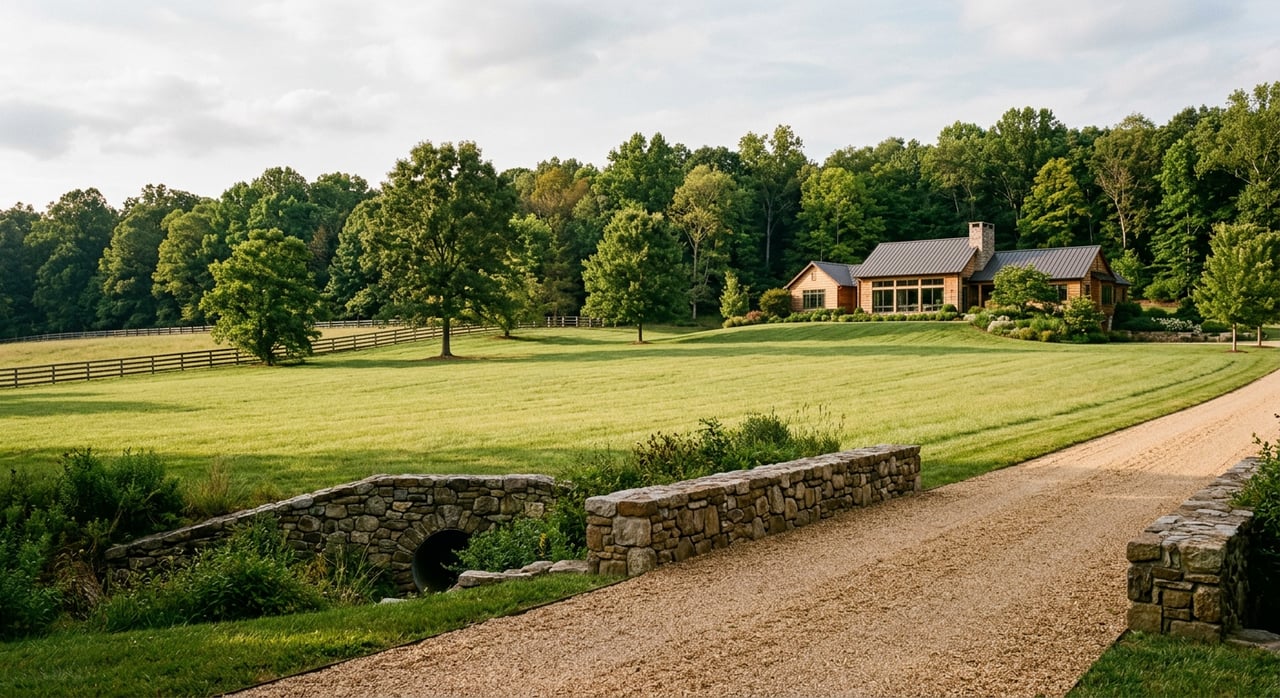
In the Charlottesville and Albemarle area, water and wastewater are coordinated at wholesale and retail levels by local authorities. Many rural homes use private wells and septic systems. If you have well or septic, make sure your water is potable and your septic system is functioning. Buyers and lenders often ask for documentation or testing that shows no failure. If you are planning a system change, coordinate with the appropriate local service authority and health department.
A simple plan to prioritize updates
Use this checklist to align scope, budget, and timing.
Safety and lender-stoppers. Fix or disclose roof leaks, active water intrusion, unsafe wiring, nonfunctioning heat, significant structural movement, major pest or fungal damage, or a failing septic. These can block financing and delay closing.
Curb appeal and entry. Clean and edge beds, add fresh mulch, trim shrubs, pressure wash, paint or replace the front door, and address the garage door. These set first impressions and can deliver outsized ROI.
Visual interior refresh. Neutral paint, deep cleaning, decluttering, fixture and hardware updates, and small repairs like torn screens or peeling caulk. Stage key rooms and plan professional photos.
Targeted kitchen and bath refresh. If comps show remodeled homes outperform, choose cost-effective updates such as cabinet refacing or paint, new counters, faucets, lighting, and energy-efficient appliances.
Major renovations. Only pursue full guts, additions, or whole-house systems beyond safety needs after a clear cost-benefit and timing analysis that reflects local comps and your holding costs.
Operational tips to keep things smooth:
- Consider a pre-listing inspection if the home is older or you suspect hidden issues. It helps you prioritize fixes and reduces surprise renegotiations.
- For any contractor work, collect 2 to 3 bids, confirm permits when required, and save invoices and warranties. Share permit numbers and receipts in your disclosure packet to reassure buyers and appraisers.
- If a repair is expensive and unlikely to recoup, weigh a price strategy or a seller credit. Your agent can benchmark against nearby sales and lender expectations.
Build your strategy with local expertise
The best plan balances market data with construction know-how and timing. In Albemarle County’s current conditions, fixing safety items and tuning curb appeal, then polishing interiors with paint and small updates, is usually the highest-return path. Add a targeted kitchen or bath refresh only when comps support the spend and your calendar allows for it.
If you want a clear, week-by-week plan tailored to your home and price range, our team can help you scope, bid, permit, and document the right updates, then present your listing at a premium level. Reach out to The Griggs Group to get started.
FAQs
What cosmetic updates give the best ROI before selling in Albemarle County?
- Fresh neutral paint, updated lighting and hardware, and curb appeal tune-ups like mulch, trimming, and a refreshed front or garage door usually offer the fastest, highest-impact returns.
Do I need a permit for small projects in Albemarle County?
- Many structural, electrical, plumbing, and mechanical projects require permits, while basic cosmetic work often does not, so confirm requirements through the county’s permitting guidelines before you begin.
How do lenders handle major defects during a sale?
- For FHA, VA, and USDA loans, appraisals check safety, soundness, and sanitation, and visible issues such as roof leaks, unsafe wiring, or nonfunctional heat often must be repaired before closing.
Are minor kitchen refreshes worth it when selling locally?
- Often yes, because cabinet refacing or paint, new counters, and lighting can modernize the look, with national data showing strong cost recoup and better buyer response compared to a full gut.
How long will pre-sale updates delay my listing?
- Cosmetics can be completed in days to a couple of weeks, while a midrange kitchen or bath refresh can take several weeks to a few months including planning and materials, so build in buffer for permits and inspections.