Wondering if Palmyra could be the right place for your next chapter? If you want a quieter setting, everyday access to the outdoors, and a reasonable connection to Charlottesville, Palmyra may be worth a close look. The key is understanding what life here actually feels like, from housing choices to commute patterns to the pace of daily life. Let’s dive in.
What Palmyra feels like
Palmyra is the county seat of Fluvanna County, and that shapes its identity in a very real way. County planning materials describe it as a centrally located village with the historic courthouse, Old Stone Jail, Main Street homes and businesses, and county administrative offices. That gives the area a civic and historic center that feels distinct from newer growth areas.
At the same time, Palmyra is not trying to become a larger commercial hub. According to Fluvanna County planning materials, it is a designated growth area, but growth is meant to stay village-scaled, with the edges transitioning back to rural character. If you like places that feel established, smaller in scale, and less built up, that is an important point in Palmyra’s favor.
Why buyers consider Palmyra
For many buyers, Palmyra offers a middle ground that can be hard to find. You are close enough to regional destinations to stay connected, but you are also in a place where the setting feels more relaxed and less dense.
Fluvanna County describes the area as being in the Piedmont foothills southeast of Charlottesville, with an agricultural past that is still visible in its rural charm. That mix of village character and surrounding countryside is often what draws buyers who want something different from a more urban routine.
Palmyra is often a strong fit if you want:
- A small-town setting with a historic core
- Easy access to outdoor recreation
- A home base within reach of Charlottesville
- Lower-density surroundings
- A quieter feel than larger nearby growth centers
Commute and regional access
If you work in or around Charlottesville, commute time will likely be one of your first questions. County quick facts place Palmyra about 21 miles from Charlottesville, and county directions note that drivers from Charlottesville or Richmond typically use I-64 Exit 136 and then head south on Route 15 for about 8 miles to Main Street.
That location can make Palmyra attractive if you want regional access without living in a denser setting. You may find that the tradeoff feels worthwhile if your priorities lean more toward space, scenery, and a village atmosphere than being in the middle of a city.
It is also important to be realistic about transportation. County planning documents say Fluvanna will remain rural and automobile-dependent, even as the county supports options like RideShare, park-and-ride locations, and transit target stops. Regional transit does exist through JAUNT service connections in Fluvanna County, but most buyers should expect Palmyra to work best with a car-based lifestyle.
Outdoor living is a major draw
One of Palmyra’s biggest strengths is how easy it is to spend time outside. If you want more than just a backyard, this area offers some meaningful everyday recreation.
A standout feature is Pleasant Grove Park, which the county describes as a 900-acre park with about 22 miles of trails for hiking, biking, running, and horseback riding. It also includes a dog park, disc golf, sports fields, picnic shelters, and a sandy beach on the Rivanna River. That is a strong amenity package for a village-scale community.
Pleasant Grove also connects recreation with local history. County tourism information notes that the house at Pleasant Grove is a certified tourist information center, and the area connects with the museum, Heritage Trail, and village walking tour. You are not just getting open space here. You are getting a setting with both natural and historic context.
If paddling or fishing matters to you, Palmyra also has a public Rivanna River access point maintained by the Virginia Department of Wildlife Resources. That makes kayaking, canoeing, and fishing part of local life rather than something you have to save for a long drive or weekend trip.
Housing options in Palmyra
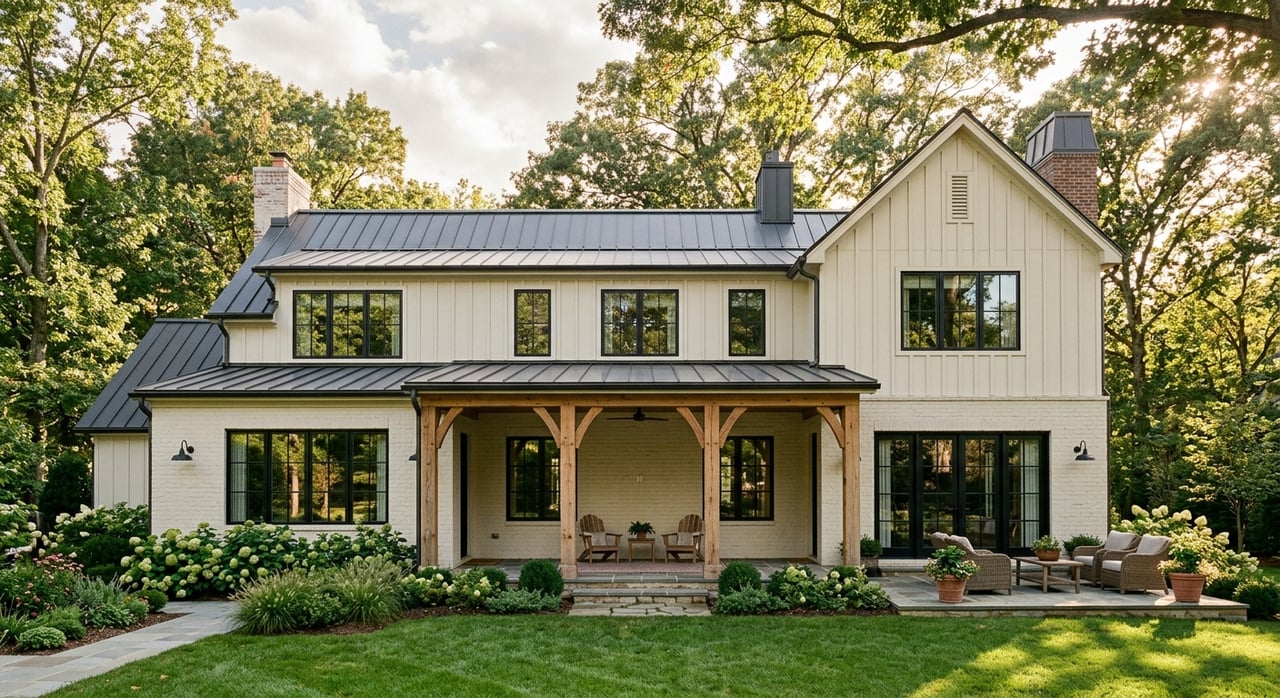
Before you move, it helps to know what kinds of homes are common and what is still limited. In Fluvanna County overall, planning materials say the housing stock is still dominated by single-family dwellings, including conventionally built and manufactured homes.
That means Palmyra may appeal most to buyers looking for a detached home or a more traditional residential setup. If your goal is a broad selection of condos, apartments, or multifamily housing, you may find fewer options here than in larger nearby markets.
County planning documents also note that only about 2 percent of county residents live in multifamily units and that expanding multifamily housing would improve choice and availability. In other words, housing diversity is recognized as a goal, but the current mix still leans heavily toward single-family homes.
What future growth may look like
Palmyra’s future is likely to stay measured rather than dramatic. County planning calls for a mix of building types, offices, civic uses, and small commercial spaces, while limiting commercial and office structures to three stories and planning residential density up to four dwelling units per acre.
That guidance matters because it helps preserve the village feel many buyers want in the first place. It also helps explain why Palmyra can feel quieter and less commercial than other nearby areas.
County planners direct most new growth toward Zion Crossroads and the Lake Monticello area, while Palmyra is intentionally kept village-scaled. For buyers, that can be reassuring if you are looking for a place that is expected to evolve gradually rather than rapidly.
Affordability and value considerations
Budget is part of every move, and Palmyra often enters the conversation because of relative value. Fluvanna County planning materials state that housing remains more affordable than in nearby urban areas, although prices have been rising steadily.
That does not mean every home will feel inexpensive. It does mean Palmyra may offer an alternative for buyers who want access to the Charlottesville region but are also looking carefully at what their budget can buy.
This is where local guidance matters. Inventory type, property condition, renovation needs, lot characteristics, and commute tradeoffs can all affect value in a place like Palmyra. If you are comparing options across central Virginia, it helps to look beyond price alone and think about how the location fits your daily routine.
Who Palmyra fits best
Palmyra is often a good fit if you want a specific kind of lifestyle. The area tends to work well for buyers who value space, village character, and outdoor access more than urban convenience.
You may feel at home in Palmyra if you are looking for:
- A small-town, historic setting
- Proximity to trails, river access, and parks
- Reach to Charlottesville without living in a denser area
- Lower-density surroundings and a quieter pace
- A location where rural character is still part of daily life
It may be a weaker fit if you need:
- A highly walkable daily routine
- Frequent transit options
- A large supply of attached or multifamily homes
- A more urban mix of retail and services close at hand
Neither list is better or worse. It just comes down to the kind of life you want to build.
How to decide if Palmyra is right
The best move is not always about finding the most popular area. It is about finding the place that matches how you actually live.
If you are considering Palmyra, ask yourself a few practical questions:
- How often will you commute to Charlottesville or beyond?
- Do you want outdoor recreation close to home?
- Are you comfortable with a car-dependent routine?
- Are you looking mostly for single-family housing?
- Do you prefer village character over a busier commercial setting?
If your answers lean toward space, simplicity, and regional access, Palmyra may be a very smart place to focus your search. And if you want help comparing Palmyra with other nearby markets, The Griggs Group can help you weigh location, housing type, condition, and long-term value with clear, practical guidance.
FAQs
How far is Palmyra, Virginia from Charlottesville?
- Palmyra is about 21 miles from Charlottesville, and county directions note access via I-64 Exit 136 and Route 15.
What outdoor activities are available in Palmyra, Virginia?
- Palmyra offers access to Pleasant Grove Park, trail systems, a dog park, disc golf, sports fields, picnic shelters, a sandy beach, and public access to the Rivanna River for paddling and fishing.
What types of homes are common in Palmyra, Virginia?
- Fluvanna County planning materials say the housing stock is mostly single-family homes, including some manufactured housing, with limited multifamily options.
Is Palmyra, Virginia a good fit for commuters?
- Palmyra can work well for buyers who are comfortable driving and want regional access to Charlottesville or Richmond, but it is generally better suited to a car-based routine than a transit-heavy lifestyle.
Is Palmyra, Virginia expected to grow quickly?
- County planning indicates that Palmyra is meant to grow at a village scale, with measured development that transitions back to rural character at the edges.