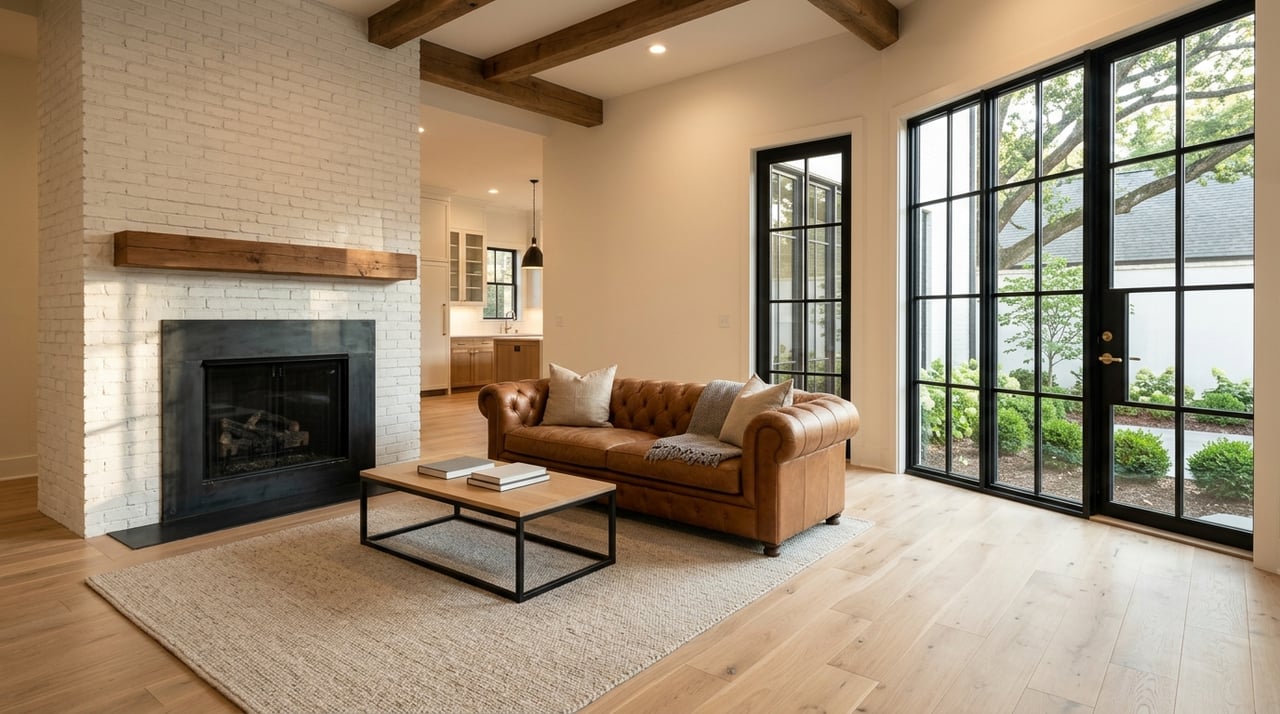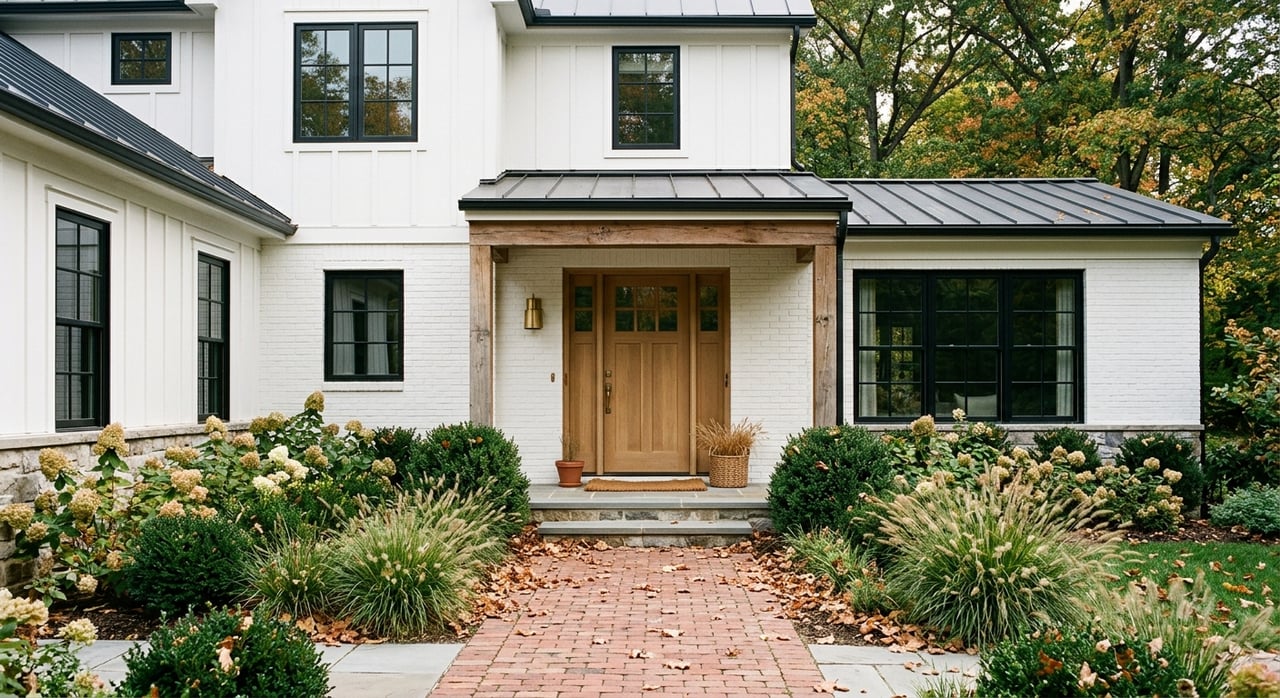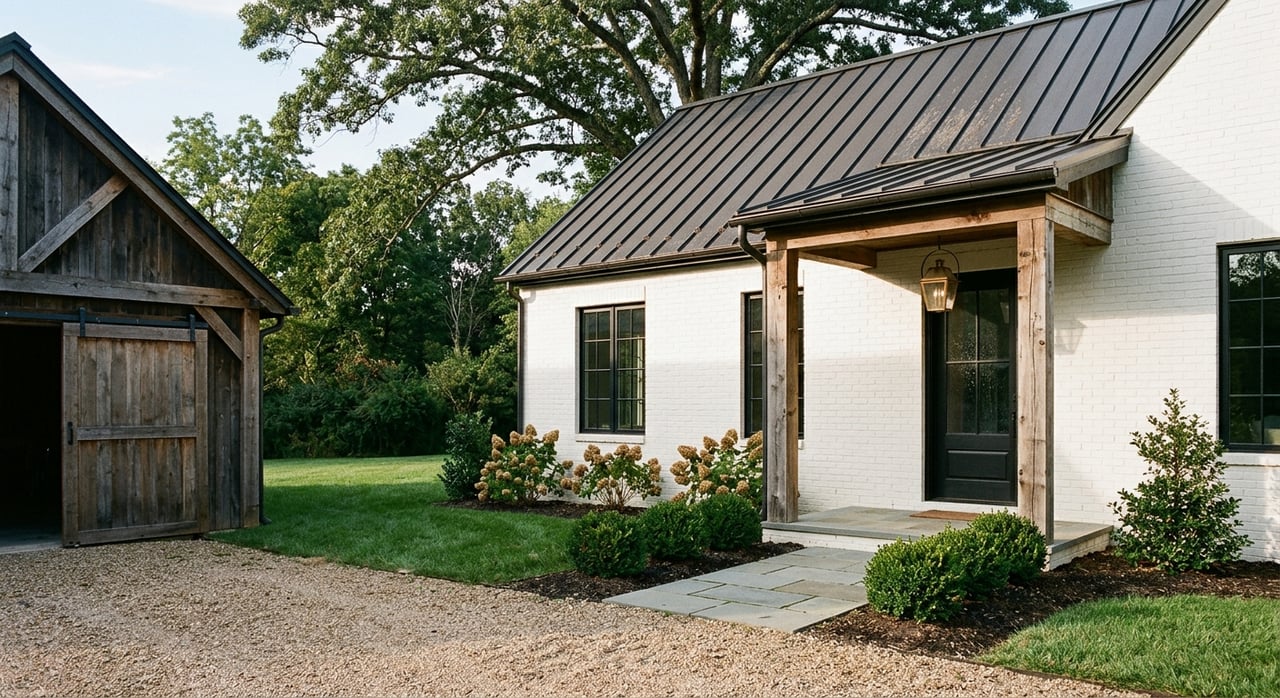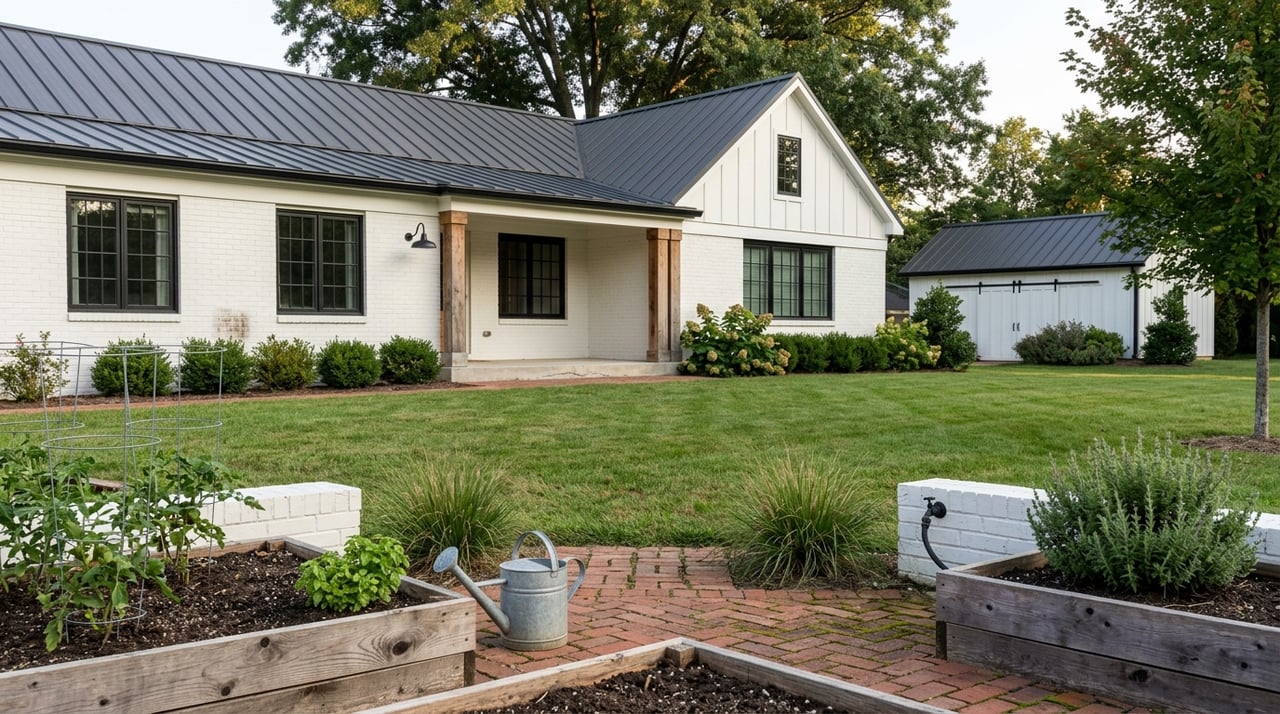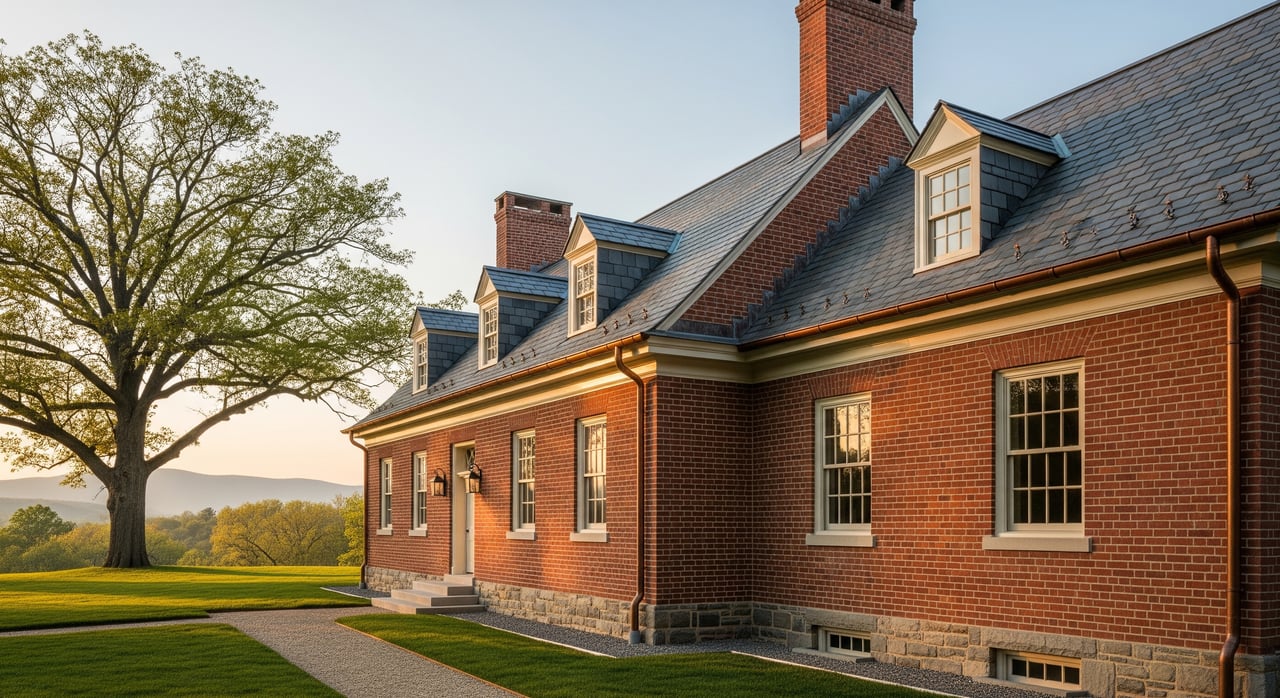
Dreaming of a classic Charlottesville home with original character and timeless curb appeal? Historic houses reward you with craftsmanship and charm, but they also come with systems that need a closer look. In this guide, you’ll learn exactly which components to evaluate, what to watch for at showings, the specialist inspections to add, and how local preservation rules may shape your plans. Let’s dive in.
Start with the big picture
Charlottesville includes many older homes across designated historic and conservation districts, with styles from Victorian to Colonial Revival and early 20th century designs. If you plan exterior changes in a protected district, you may need a city review or a Certificate of Appropriateness. Check with the city’s preservation office early to understand boundaries and permit steps.
The local climate brings four full seasons with humidity, hot summers, and freeze-thaw cycles. That makes moisture control, roof health, and masonry care especially important. Budget for thorough inspections before you finalize your offer so you can price repairs and negotiate with confidence.
If you are considering renovations, keep financing and insurance in mind. Lenders and carriers often want safe, updated systems. Federal tax credits generally apply to income-producing certified rehabilitations, not owner-occupied residences. State or local incentives can vary, so confirm details with the Virginia Department of Historic Resources and the city.
Roofs and drainage
What to spot at a showing
- Sagging rooflines or uneven surfaces
- Missing or curling shingles, rusted flashing, or patched areas
- Moss or algae on shaded sections
- Water stains on ceilings or in the attic
Order these inspections
- A full roofing inspection, ideally by a roofer familiar with slate, standing-seam metal, wood shakes, or clay tile
- Attic evaluation for active leaks, ventilation, and insulation
- Chimney inspection with a camera if a masonry chimney is present
Preservation notes
Historic materials can last, but they need skilled work. Some modern products mimic historic looks, yet may need approval in local districts. Get clarity on what is allowed before you choose materials.
Why it matters
Roof and drainage problems lead to interior damage fast. Lenders and insurers may require a sound roof. Confirm condition and get written estimates before you waive or shorten contingencies.
Foundations and masonry
Red flags to watch
- Stair-step cracks in brick or stone, or wide horizontal cracks
- Floors that feel uneven or sag
- Doors and windows that stick or bind
- Damp basements or efflorescence on walls
Smart inspections
- Structural engineer evaluation if you see significant cracking or movement
- Masonry assessment for repointing needs and drainage problems
- Moisture readings in basements and crawlspaces
Preservation note
Historic brick and stone usually need lime-based mortar. Hard, modern cement mortars can damage historic masonry. Confirm materials and methods before you approve repointing.
Cost implications
Drainage and grading fixes are often less expensive and can prevent bigger issues. Address water outside first before major structural work.
Electrical safety
Common older wiring
- Knob-and-tube or cloth-insulated wiring
- Ungrounded two-prong outlets
- Aluminum branch wiring in some eras
- Small service panels, often 60–100 amps, and lack of GFCIs
What you can see
- Fuse boxes or very old breaker panels
- Two-prong outlets and missing GFCI protection in kitchens, baths, and exterior areas
- Exposed knob-and-tube or cloth wiring in attics and basements
Inspections and lender implications
Have a licensed electrician complete a full system review, check capacity, and assess any aluminum wiring. Safety upgrades may be required by lenders and insurers, so confirm early.
Plumbing and sewer
What ages out
- Galvanized steel supply pipes that restrict flow
- Lead service lines in older homes
- Cast-iron drains that corrode or admit roots
- Polybutylene lines in certain eras with known issues
Signs during a tour
- Low water pressure or discolored water
- Slow drains or frequent backups
- Corroded piping visible in basements or utility rooms
Order a sewer scope
A camera inspection of the main sewer lateral can reveal corrosion, roots, or breaks before you buy. A licensed plumber can also test fixtures and review supply and drain lines.
Preservation thoughts
Historic fixtures can sometimes be restored. Still, supply and drain systems often need modernization for reliability and safety.
Heating, cooling, and comfort
What you might find
- Original boilers with steam or hot-water radiators
- Older forced-air systems or no central air
- Aging ductwork and limited insulation
Key inspections
- HVAC testing for performance and sizing
- Combustion safety and carbon monoxide checks for boilers and other fuel-burning equipment
- Ductwork review for leaks and distribution balance
Upgrade paths
Mini-split heat pumps can add efficient heating and cooling with less disruption. Air sealing, insulation, and storm windows can improve comfort while respecting historic character.
Windows, doors, and efficiency
Signs of wear
- Rotted sills, sticking sashes, and broken sash cords
- Drafts at frames and missing weatherstripping
- Lead paint on older wood windows
Tests to consider
- A window condition assessment
- An energy audit or blower-door test to locate air leaks and prioritize upgrades
Preserve or replace
Many historic windows are repairable and can perform well with weatherstripping and quality storm windows. In local districts, full replacement may require review. Confirm rules before you order new units.
Chimneys and fireplaces
Visible clues
- Leaning stacks, cracked crowns, or spalling brick
- Mortar loss or staining near the chimney
- Smoke issues or poor draft when in use
Inspections to add
- A chimney inspection with a camera. For purchases, a Level 2 inspection is a smart baseline, especially if there are concerns or past work.
Safety first
Damaged or unlined flues can be fire hazards. Budget for liner repairs if you plan to use fireplaces or other vented appliances.
Environmental hazards to test
Lead paint
Homes built before 1978 may contain lead-based paint. Renovation work that disturbs it must follow EPA rules. Testing can confirm risks and guide safe treatment.
Asbestos
Older pipe wrap, insulation, and some floor tiles may contain asbestos. Only qualified labs and professionals should test and, if needed, remove it.
Mold and moisture
Chronic dampness in basements or leaks can support mold. The first step is to fix moisture sources, then remediate any growth.
Radon
Radon testing is recommended for all homes. If levels are elevated, mitigation can reduce exposure.
What to order
- Lead paint testing
- Asbestos sampling where materials are suspect
- Moisture and, if recommended, mold testing
- Short-term or long-term radon testing
Site, grading, trees, and drainage
What to scan outside
- Water pooling near the foundation
- Downspouts discharging too close to the house
- Large tree roots near foundations and failing retaining walls
Who to call
- A drainage or site specialist to improve grading and manage runoff
- An arborist to evaluate large trees close to the house
- A geotechnical pro for hillside movement or major retaining issues
How to structure inspections
Build your team
Start with a licensed home inspector who understands historic homes. Add specialists based on findings: a structural engineer, electrician, plumber, roofer experienced with slate or metal, chimney inspector, masonry conservator, sewer scope technician, and energy auditor as needed.
Timing and contingencies
Include clear inspection contingencies in your offer. Allow time to schedule specialists, gather written estimates, and review findings before you commit.
Estimates and documentation
Ask for seller maintenance records, permit history, and any prior engineering reports. Good documentation reduces unknowns and helps you negotiate repairs or credits.
Budget and maintenance planning
Set aside reserves
Expect higher maintenance intensity than newer homes. Create both an annual budget for routine tasks and a 5 to 10 year plan for major items like roofs, systems, and masonry.
Annual checklist
- Clean and inspect roofs and gutters each spring and fall
- Check grading and downspouts to keep water away from the foundation
- Inspect and touch up exterior paint, especially on trim and exposed wood
- Sweep and inspect chimneys if you use fireplaces
- Service HVAC or boilers before the heating and cooling seasons
- Schedule termite and pest inspections on a regular cadence
Insurance and underwriting
Confirm with your insurer what older systems they will cover and what upgrades they may require. Ask your lender early about any system standards tied to your loan type.
Ready to buy with confidence
Historic homes in Charlottesville can be an incredible long-term choice when you understand the systems and plan for smart upgrades. With the right inspections and a careful maintenance plan, you can protect your investment and preserve the character you love. If you want a partner who can spot red flags and help you prioritize work, our team is led by a former contractor who understands historic construction and renovation.
Have questions about a specific property or need referrals to trusted local specialists? Connect with The Griggs Group to get clear guidance and a plan tailored to your goals.
FAQs
What systems should I prioritize in a Charlottesville historic home?
- Start with roof and drainage, foundation and masonry, and electrical safety, then assess plumbing, HVAC, windows, chimneys, and environmental testing.
How do Charlottesville historic district rules affect renovations?
- Exterior changes in designated districts may require city review or a Certificate of Appropriateness, so confirm rules with the preservation office before planning work.
Are older windows always a problem in historic homes?
- Not always. Many historic windows are repairable and can perform well with weatherstripping and storm windows, though replacements may need district approval.
Will lenders or insurers require system upgrades on older houses?
- They may. Outdated electrical, unsafe roofs, or known hazards can be flagged. Check requirements early so you can plan upgrades or negotiate credits.
What inspections go beyond a standard home inspection?
- Consider a structural engineer, licensed electrician and plumber, roofer with historic experience, Level 2 chimney inspection, sewer scope, and an energy audit.
Can I get tax credits for renovating an owner-occupied historic home?
- Federal rehabilitation tax credits generally apply to income-producing properties. Check with Virginia DHR and the city for any state or local programs.