Selling in Charlottesville can feel like a maze of prep, showings, deadlines, and documents. You want top dollar and a smooth closing, but it’s easy to miss a step that costs you time or money. This guide breaks down the process from first walkthrough to closing, with Virginia‑specific rules and local tips, so you can move with confidence. Let’s dive in.
Charlottesville sale timeline at a glance
Most sales here follow a clear path: prep, launch, showings, contract, due diligence, and closing. Financed deals typically close in about 30–60 days after ratification, while cash can close faster. The due‑diligence steps and lender timing drive most of that schedule, so planning ahead matters. For a high‑level overview of the steps between contract and closing, review the National Association of REALTORS consumer guide on timelines and contingencies (NAR timeline overview).
Typical milestone ranges you can expect:
- Pricing consult and pre‑listing prep: roughly 1–2 weeks, depending on readiness.
- Professional photos and MLS launch: often within 1–7 days after final prep.
- Showings until offer: market dependent and varies by neighborhood and season.
- Under contract to close: inspection windows commonly 7–14 days; appraisal and underwriting often total 30–45 days for financed buyers.
Date‑math example
- Contract ratified: March 1.
- Inspection window: 10 days → through March 11.
- Loan commitment and appraisal target: by March 31.
- Closing target: on or about April 15–30, assuming clear title and on‑time lender conditions.
Step 1: Walkthrough and pricing strategy
You’ll start with a detailed walkthrough and Comparative Market Analysis to set a pricing plan tied to your goals. Together you’ll review net‑proceeds scenarios, identify smart pre‑listing fixes, and flag items to gather early, like HOA contacts or permits. Many sellers also pull a mortgage payoff quote and consider a pre‑listing inspection to reduce surprises later. A well‑planned start shortens time to market and helps you avoid price reductions.
Step 2: Prep, staging, media, and MLS launch
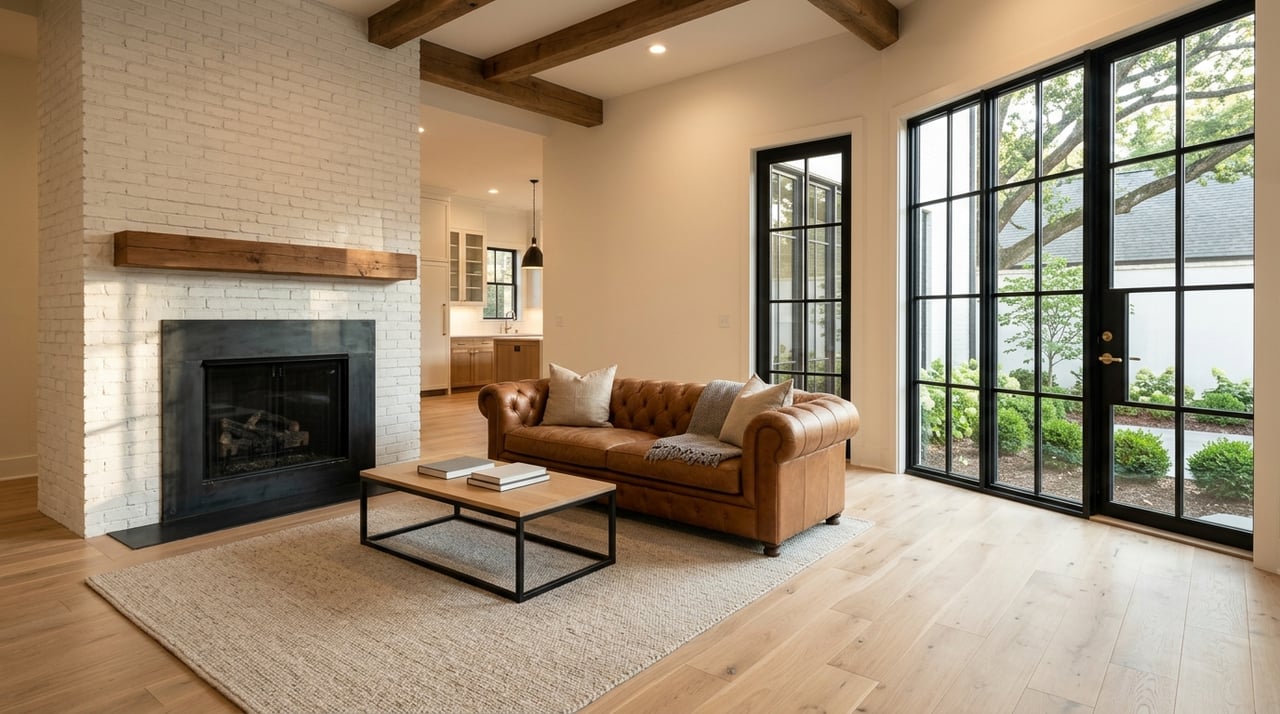
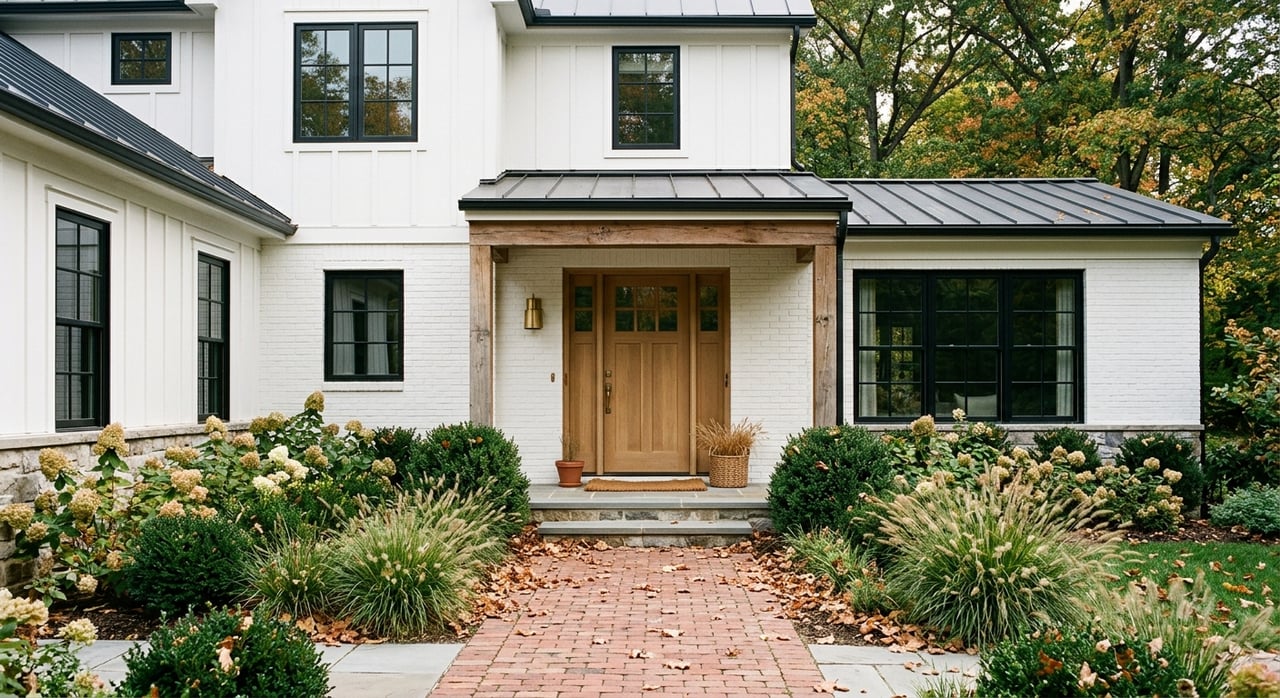
First impressions drive showings. Declutter, complete simple repairs, and stage key rooms so photography shines. Clear floor plans, accurate room counts, and crisp listing copy improve online engagement and in‑person traffic. Your agent coordinates professional media, MLS data entry, showing instructions, and required attachments so launch day is seamless.
Step 3: Active marketing, showings, and offers
Once the listing is live, showing feedback and online analytics guide quick adjustments to pricing or presentation. In faster segments, qualified offers can arrive within days, so plan for fast, organized review. Your agent should log all offers and use an easy‑to‑read worksheet to compare net proceeds and contingencies, then negotiate terms that protect your timeline.
Local context matters. The University of Virginia and UVA Health anchor the economy and influence seasonality near Grounds, including mid‑summer turnover around the academic calendar (City profile on major employers). If your property is near UVA, you may see a mix of faculty, staff, and investor interest.
Step 4: Inspections, repairs, and appraisal
- Home inspections: Buyers usually schedule inspections within the contract window, commonly 7–14 days and always negotiable. Specialized checks like radon, chimney, well, or septic may be added during that same period (Virginia inspection overview).
- Repair negotiations: After the report, you and the buyer can agree on repairs, a credit, or a price adjustment. Speed and clarity keep your deal on track.
- Appraisal: If the buyer is financing, the lender orders the appraisal, which typically returns 7–21 days after ordering. If the value comes in below the contract price, you’ll work with the buyer and lender on a solution that could include a price change, buyer cash, or loan adjustments (appraisal timing guide).
Step 5: Title, HOA/resale packets, and disclosures
- Settlement agent choice: In Virginia, buyers typically choose the settlement agent, and sellers can consult their own counsel as desired. Expect the settlement company or attorney to run title, clear liens, and prepare closing documents (Virginia REALTORS guidance on title choice).
- HOA/condo resale packet: If you’re in a common‑interest community, Virginia’s Resale Disclosure Act governs the contents, fees, and timing of the packet. Order it early to avoid delays and fees for rush service (Virginia Resale Disclosure Act).
- State disclosures: Virginia uses a standardized disclosure form under the Virginia Residential Property Disclosure Act. Review and provide the current DPOR form and any required local addenda (DPOR disclosure resources).
- Federal lead disclosure: If your home was built before 1978, federal law requires the EPA/HUD lead pamphlet and a standard 10‑day inspection period unless waived (lead disclosure rule).
Step 6: Final walk‑through and closing day
As you near closing, the lender issues final approval once all conditions are met, and the settlement agent shares your final figures. The buyer completes a final walk‑through, usually 24–72 hours before settlement, to confirm agreed repairs and property condition. On closing day, you’ll sign transfer documents and the deed will be recorded before keys are released, per contract instructions.
Local factors sellers should know
- Historic districts and ADC overlays: Certain Charlottesville areas have Architectural Design Control rules. If you plan exterior work before listing, check requirements for a Certificate of Appropriateness and city review (ADC district overview).
- Short‑term rentals and zoning: If your property has short‑term rental history, disclose permits and check compliance. Rules can change, so confirm current requirements with the City (STR FAQ and contacts).
- Seasonality near UVA: Student leasing cycles and academic calendars can shape demand near Grounds. Timing your launch around that rhythm can improve results, especially for properties with rental appeal.
What your agent will need from you
Gather these items early so your sale stays smooth:
- Mortgage payoff info and lender contact
- HOA or condo manager contact, dues details, gate/access info
- Utility details: meter locations, account numbers, average bills
- Keys, garage remotes, access codes, mailbox numbers
- Manuals, warranties, and receipts for recent repairs or upgrades
- Permits or architectural approvals for past work, if available
- Any rental documents, lease info, or STR permits if applicable
- Your preferred closing date range and move‑out timing
Estimating your net proceeds
Your net proceeds reflect your sale price minus commissions, negotiated credits, your loan payoff(s), and typical seller closing costs like deed prep, prorated taxes/HOA dues, and settlement fees. Compensation is negotiable and varies by brokerage and listing agreement. Because local practice determines some fees and prorations, ask your agent for a custom net sheet tailored to your price point and HOA, with a couple of scenarios for credits and repairs.
Where a strong listing team makes the biggest difference
- Accurate pricing and launch timing that match buyer demand patterns.
- Smart pre‑listing repairs and presentation that reduce days on market.
- Fast, organized response to inspection findings to preserve leverage.
- Clear coordination with the buyer’s lender and settlement agent to keep title, payoff, HOA, and underwriting on track.
- Proactive guidance on Virginia disclosures and HOA resale rules to avoid delays.
Common red flags to avoid
- Skipping required disclosures or the federal lead notice for pre‑1978 homes can trigger penalties and liability. Always complete the right forms and include the EPA pamphlet when required.
- Underestimating timeline variability. Appraisals, lender conditions, HOA packets, and title issues are the most common causes of delay — build buffer into your plan.
- Making exterior changes in a historic/ADC district without city review can stall your launch. Check requirements before you start.
Ready to sell with confidence?
If you want a clear, construction‑savvy plan to prep, price, market, and close, we’re here to help. As a contractor‑rooted, boutique team, we pair practical renovation advice with premium presentation to attract the right buyers and protect your timeline. Start with a pricing consult and a custom net sheet, and let us handle the details from walkthrough to closing with The Griggs Group.
FAQs
How long does it take to sell a home in Charlottesville?
- Most financed sales close about 30–60 days after contract ratification, with cash sales often faster. The inspection window, appraisal, underwriting, and title work drive the schedule, and ranges follow typical national guidance from NAR.
What inspections should I expect as a seller in Virginia?
- Buyers commonly order a general home inspection within 7–14 days and may add radon, chimney, well, or septic depending on the property. Your agent will help you prepare and respond efficiently.
Who chooses the settlement agent in Virginia?
- Buyers typically choose the settlement agent. Sellers can consult their own counsel if they want advice, and both sides coordinate on title clearing and closing logistics.
What HOA or condo documents do I need to provide?
- If your home is in a common‑interest community, you must provide a resale packet under Virginia law. Order it early to avoid rush fees and delays, and to give buyers time to review.
Do I have to provide a lead disclosure?
- If your home was built before 1978, federal law requires you to provide the EPA/HUD lead pamphlet and allow a standard 10‑day inspection period unless the buyer waives it.
Are commissions fixed in Charlottesville?
- No. Compensation is negotiable and set in your listing agreement. Your agent can show you scenarios so you understand how commissions and seller costs affect your net.