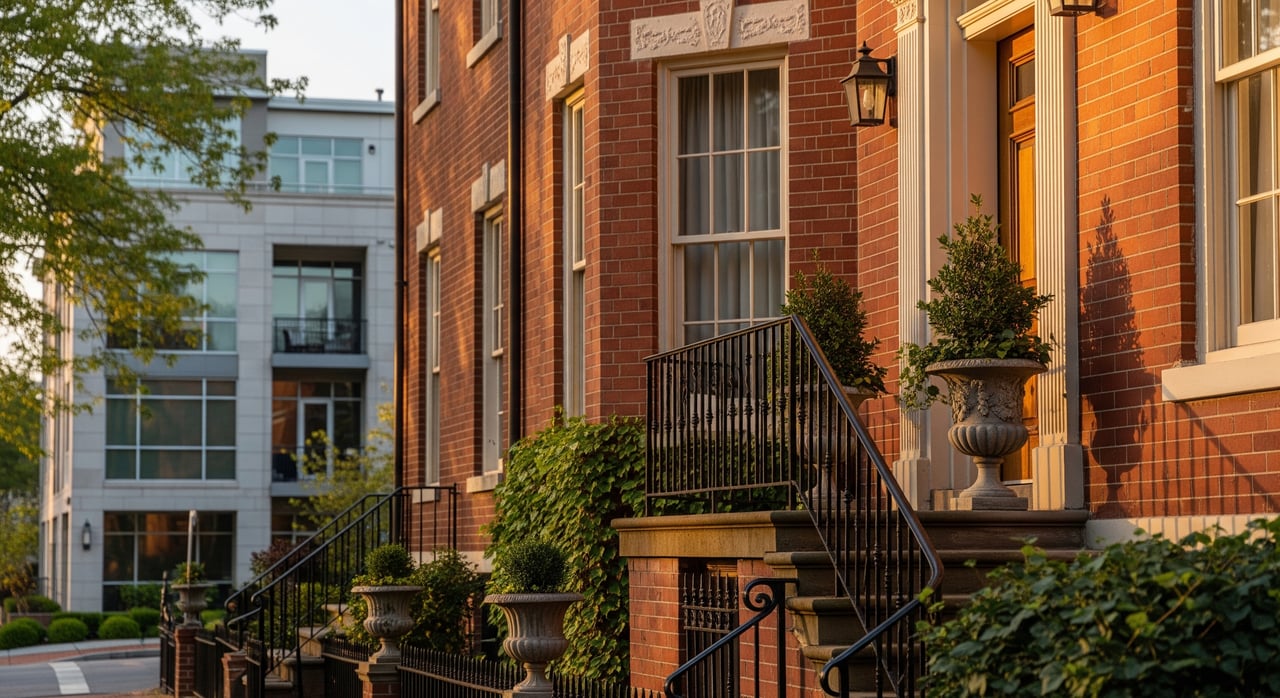
Not sure whether a condo or a townhome fits your life in Charlottesville? You are not alone. Both offer low‑maintenance living, but the details around ownership, fees, parking, and financing can lead you down very different paths. This guide breaks down the tradeoffs, shows where each option tends to shine locally, and gives you a checklist to make a confident choice. Let’s dive in.
Condo vs townhome basics
A condo gives you ownership of the interior of your unit while the association owns and maintains common elements like the roof, exterior walls, grounds, halls, and elevators. You pay dues that fund those shared responsibilities and the association’s master insurance. You typically carry an HO‑6 policy for your interior and personal property.
A townhome is often fee simple. You usually own the land and the structure, similar to a single‑family home, and may belong to an HOA that maintains shared roads, landscaping, or amenities. Some Charlottesville “townhomes” are legally condominiums, so the condo rules and maintenance duties apply. Always read the governing documents to know who maintains what.
Why the legal form matters: it sets your maintenance obligations, insurance needs, and even which loans you can use. It also controls rules about rentals, pets, and renovations that can affect daily life and future resale.
Maintenance and lifestyle
Condos
- Pros: Association often handles exterior, landscaping, and common systems, which reduces day‑to‑day chores.
- Cons: Less control over exterior changes and more community rules around pets, rentals, and renovations.
Townhomes
- Pros: More control over your exterior, a small yard or patio, and often a garage. It can feel closer to single‑family living.
- Cons: You may be responsible for roof, siding, fencing, and yard work unless the HOA covers them.
HOA fees and risk
Both condos and townhomes can have associations that collect dues for maintenance, insurance, utilities for common areas, and amenities. Condo associations typically cover more big‑ticket items like roofs and elevators, which can mean higher dues and larger reserves. Townhome HOAs may cover less and cost less, but not always.
Key risks to evaluate:
- Special assessments if reserves are low or major work is due.
- High delinquency among owners that strains budgets.
- Litigation involving the association that can affect marketability.
Ask for recent reserve studies, current budgets, financial statements, the last 2–3 years of meeting minutes, and a history of assessments in the past 5 years.
Parking and storage
In‑town condo buildings near the Downtown Mall and UVA may have limited dedicated parking. Some rely on street parking, permits, or paid garages, especially in older or historic conversions. Guest parking can be tight.
Townhomes and newer infill typically offer driveways or attached garages, though some designs have narrow lots and smaller garages. If parking matters to you or your visitors, verify assigned spaces, guest rules, and any street permit programs before you commit.
Outdoor space and privacy
Condos usually offer balconies, shared courtyards, or rooftop decks in select buildings, with less private yard space. Townhomes often include a patio or small backyard and sometimes a front stoop, which gives you more privacy and storage options. The tradeoff is outdoor maintenance versus private enjoyment.
Commute and walkability
Charlottesville’s key employment centers include UVA, area hospitals, and downtown. In‑town condos near the Downtown Mall, West Main, or Emmet Street can cut commute time and increase walkability or bike access. Nearby townhome neighborhoods like Belmont, Fry’s Spring, and Woolen Mills often balance short commutes with easier parking. Local bus options through Charlottesville Area Transit and regional routes via JAUNT can reduce the need for a car depending on your location.
Insurance and utilities
Condo owners usually carry an HO‑6 policy that covers the interior, personal property, and loss assessment coverage. The association’s master policy covers common elements, but deductibles and coverage limits vary.
Townhome owners often use an HO‑3 or HO‑5 policy that covers the structure and interior. If your HOA covers exterior components, your policy needs may change. Utility billing also differs by building. Some condos include water or heat in dues, while others meter each unit. Confirm exactly what your dues cover.
Financing and resale
Financing a condo can involve project‑level approval requirements with many lenders, including FHA and VA. Factors like investor concentration, litigation, or low owner occupancy can limit loan options. Fee simple townhomes usually face fewer project‑level hurdles.
On resale, condos can be more sensitive to building condition, association health, and new supply. Townhomes often act more like single‑family homes, where lot and street location play a larger role. Local market factors dominate, so compare similar homes and association health before deciding.
Where these homes are in Charlottesville
In‑town core: Downtown Mall, West Main, North Downtown
You will see more condos and loft‑style units here, from historic conversions to modern infill buildings. The lifestyle is walkable and close to restaurants and retail. Expect tighter parking, possible elevator access, more comprehensive HOA coverage, and proximity to nightlife.
Near‑infill neighborhoods: Belmont, Fifeville, Woolen Mills, Fry’s Spring
These areas offer a mix of single‑family homes, small townhome clusters, and some condo conversions. If you want a neighborhood feel and a short trip to Downtown or UVA, they can be a good fit. Townhomes may be newer infill with private parking.
Stonefield, Pantops, 5th Street corridor, Southern Albemarle
You will find newer townhome communities and mixed‑use developments with attached garages and planned amenities. These areas trade some walkability for easier car access and newer finishes. For buyers who prioritize parking and space, this is a practical option.
University‑adjacent housing
Close to UVA, you will see small condos, duplexes, and some townhomes that often attract investors or university‑affiliated residents. If you plan to rent in the future, review rental rules and investor concentration in the building.
Suburban townhome clusters
Around corridors like Barracks Road and newer planned communities, townhomes with small yards and garages are common. HOAs tend to be moderate and focus on roads, landscaping, and amenities. These areas can be easier to finance and maintain.
Buyer checklist
Property and HOA documents
- Ask the legal form of ownership and get the master deed, condo declaration, and CC&Rs.
- Clarify who maintains the exterior, roof, foundation, driveway, and fences.
- Confirm what dues include, such as water, sewer, trash, snow removal, exterior insurance, or reserves.
- Ask if utilities are individually metered or master‑billed.
- Get monthly dues, recent changes, and any pending or recent special assessments.
- Request the reserve fund balance or the date of the most recent reserve study.
- Ask the percentage of owner‑occupied versus investor‑owned units.
- Review rental rules, including short‑term rental policies.
- Review pet rules and any size or breed restrictions.
- Read the last 2–3 years of meeting minutes and the most recent financials.
- Ask about any known or ongoing litigation.
- Verify how parking is assigned and guest rules.
- Confirm maintenance response times and contact procedures.
Lenders and financing
- Ask if project approval is required for this condo and whether FHA or VA loans are allowed.
- Ask about lender overlays on investor ratios, litigation, or delinquency.
- For townhomes, confirm whether the property is treated as fee simple for lending.
Insurability and inspections
- Confirm what the association’s master insurance covers and per‑unit deductibles.
- Order a professional inspection that includes plumbing, wiring, roof, and structure.
- For condos, ask about planned capital projects in the next 5 to 10 years.
Lifestyle and neighborhood fit
- Check walk and bike access, transit routes, and commute times to UVA, hospitals, and downtown.
- Visit at different times to gauge noise and event activity for in‑town condos.
- Confirm storage options like closets, storage units, garage space, and bike storage.
Resale considerations
- Ask how quickly similar homes sell and typical list‑to‑sale price ratios.
- Check for upcoming rule changes that could affect future buyers.
How to decide
- Rank what matters most: walkability, private outdoor space, parking, low maintenance, or flexible rental options.
- Get pre‑approved early and ask your lender about condo project requirements.
- Tour both property types in the same price range to compare space and parking.
- Read the HOA or condo documents and minutes before you fall in love with a home.
- Weigh the tradeoffs: a walkable condo with limited parking versus a townhome with a garage and small yard.
If you want a clear read on maintenance, inspection issues, and HOA health, talk with a team that blends construction know‑how with local market insight. Connect with The Griggs Group to compare specific properties, review documents, and choose the right fit for your Charlottesville life.
FAQs
What is the key difference between condos and townhomes in Charlottesville?
- Condos usually include shared ownership of common elements with the association handling exteriors, while most townhomes are fee simple and place more exterior maintenance on you.
Are Charlottesville condos harder to finance with FHA or VA loans?
- Often yes, because many lenders require condo project approval and review investor ratios, litigation, and reserves, while fee simple townhomes typically face fewer project‑level hurdles.
How do HOA fees typically compare between condos and townhomes?
- Condo dues are often higher because they cover more items like roofs and elevators, while townhome HOAs may cover fewer items, though costs vary by community.
What parking issues should I watch for with in‑town condos?
- Verify assigned spaces, guest parking rules, and any street permit programs, since many in‑town buildings have limited dedicated parking.
Do townhomes include yard maintenance in Charlottesville?
- Sometimes, but not always; read the HOA documents to see whether the association handles landscaping or if you are responsible for your yard and fencing.