If you are selling a rural property in Louisa, you already know it is not the same as selling a house on a small in-town lot. Buyers are often looking at the land, the access, the outbuildings, and the utility setup just as closely as they look at the home itself. When you prepare the right documents, answer questions early, and present the property clearly, you can reduce uncertainty and move forward with more confidence. Let’s dive in.
Why rural sales in Louisa are different
Louisa County is largely rural, with low population density and land use shaped by forest, crop and pasture land, open land, and water. That matters because buyers in this market often care about how the acreage functions day to day, not just the square footage of the house.
County zoning also reflects that rural focus. Louisa’s A-1 and A-2 districts are designed around agricultural use and very low-density residential patterns, with an emphasis on preserving the countryside. In practical terms, that means buyers may ask detailed questions about access, setbacks, buffers, and whether the land supports the use they have in mind.
Start with the property facts
Before you list, it helps to confirm the basics through Louisa County’s GIS and tax map tools. Rural parcels can involve zoning details, overlays, and site limitations that are not obvious from a mailing address or a quick drive-by.
A strong first step is gathering a clean packet of property information. That usually includes your parcel map, zoning confirmation, survey or plat if you have one, and any records tied to road access, utilities, or land-use taxation.
Check zoning and parcel details
Louisa County directs property owners and buyers to confirm zoning through the county GIS. This is especially important for rural properties because future use questions often come up early.
If your buyer wants to know about adding a structure, using outbuildings differently, or understanding setbacks, the county is the right source for local confirmation. Having that information ready helps keep the conversation factual and clear.
Understand lot lines and surveys
Virginia’s residential disclosure law makes it clear that sellers do not represent current lot lines or whether additional structures can be added. Buyers are advised to get a survey and check directly with the locality about zoning, setbacks, height, and lot coverage rules.
That does not mean you should wait for questions. If you already have a recent survey or plat, having it ready can help buyers understand the property faster and may reduce confusion later in the process.
Prepare key rural-property documents
The more complete your documentation is before listing, the easier it is for buyers to evaluate your property. That can matter a lot in Louisa, where acreage and site features often drive value.
A practical rural listing packet often includes:
- Survey or plat
- GIS parcel and zoning confirmation
- Land-use program paperwork, if applicable
- Well records or water test records
- Septic records or recent inspection information
- Road access or maintenance information
- Permit or exemption records for barns, sheds, or other outbuildings
Review land-use tax status
If your property is enrolled in Louisa County’s Land Use Program, do not treat that as a minor detail. The county states that this program is a tax deferral, not a discount, and that rollback taxes can apply if the land changes use.
Specifically, the county warns that rollback taxes may be assessed for the current year plus the five preceding years. If you are thinking about subdividing, changing use, or selling off part of the acreage before listing, this is worth reviewing early.
Gather well records
For rural buyers, private water information matters. The Virginia Department of Health says private wells are not routinely tested by the state, so owners should keep water-test records.
VDH also notes that newly constructed wells must be tested for coliform bacteria and that buyers are often advised to test well water before closing. Some lenders may also require bacteria, nitrate, and lead testing, so organized records can make your property easier to evaluate.
Gather septic records
Onsite sewage systems are another common buyer question. VDH says no inspection is required for a property transfer, but it recommends scheduling an inspection several weeks before closing because repairs can take time.
If your records show that part of the septic system crosses a property line, VDH says you should check whether an easement was recorded. For some alternative systems, a notice may also be recorded with the deed.
Address floodplain questions early
Floodplain questions can come up quickly with rural land, especially when streams, low areas, or large open sections are involved. Louisa County says it does not participate in the National Flood Insurance Program and directs users to FEMA flood maps and the county GIS flood overlay.
The county also notes that online maps are only an approximation. If a floodplain boundary is likely to affect value or use, a surveyor can determine those boundaries more precisely.
Use maps carefully
If a buyer asks whether land is in a flood area, it is best to rely on official mapping and avoid guessing. Online map layers can be helpful for early review, but they are not the same as a survey-based determination.
This is one reason good listing preparation matters. When you provide clear map context up front, you help buyers separate what is known from what still needs verification.
Show what the land actually offers
One of the biggest mistakes in rural marketing is focusing only on the house. In Louisa, buyers often want to understand what the acreage actually does.
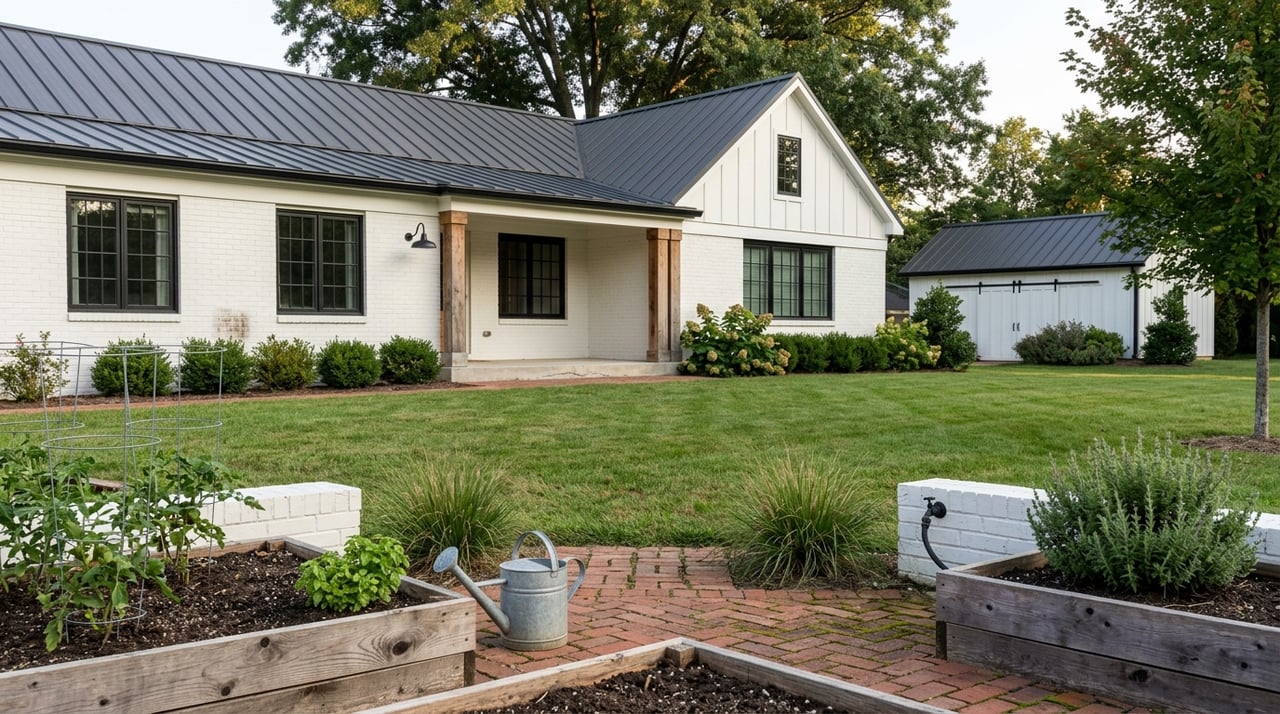
That means your listing should clearly describe features such as pasture, woods, trails, garden areas, fencing, ponds or creeks, and usable flat ground. It should also be honest about limits, including areas that may be steep, wet, or otherwise restricted.
Use photos and maps that reduce guesswork
Aerial photography is especially useful for rural listings because it helps buyers understand the layout at a glance. Boundary context, the position of the house, the driveway, outbuildings, open fields, and wooded sections all become easier to see.
If you have a current survey or plat, that can strengthen the presentation even more. A simple visual showing boundaries and major site features can answer many of the questions buyers would otherwise save for later.
Present outbuildings clearly
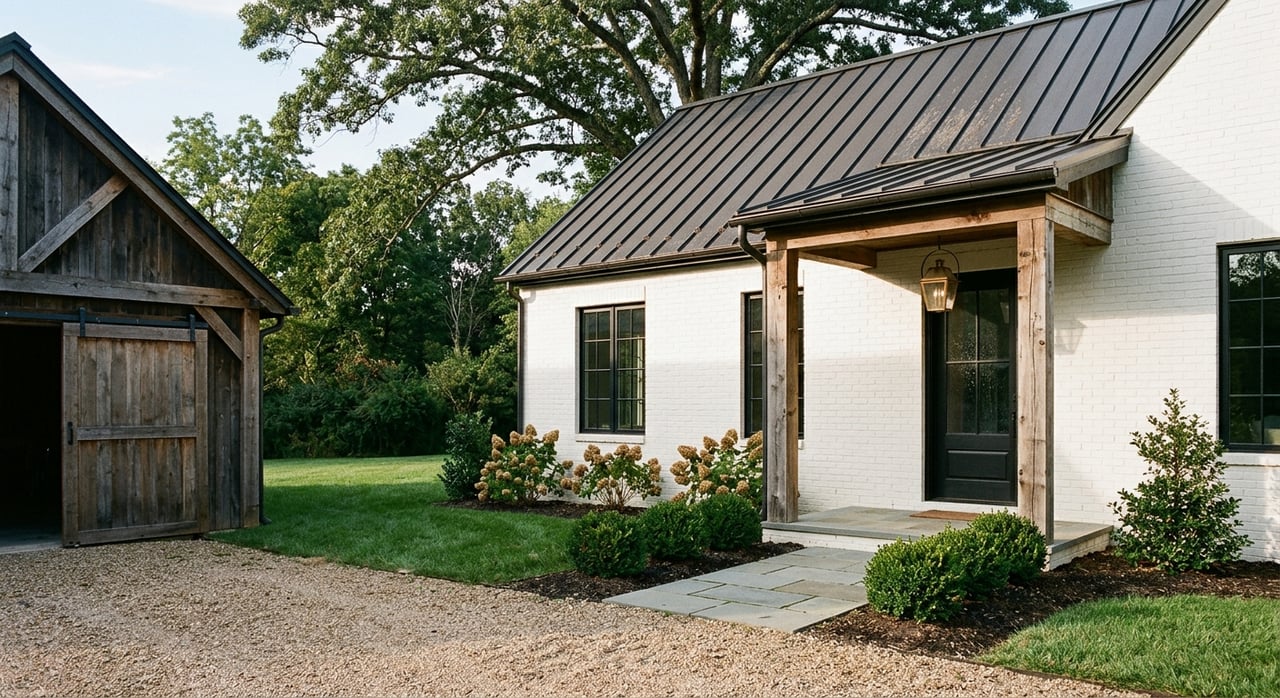
Barns, sheds, workshops, and other structures can be major selling points, but only if buyers understand what they are getting. Louisa County notes that some farm buildings may be exempt from the Virginia Uniform Statewide Building Code when they are directly related to an operating farm, but they are not exempt from zoning regulations.
That makes documentation important. If an outbuilding was permitted, exempt, or converted from one use to another, it helps to have those details ready so the structure feels like an asset rather than a question mark.
Clarify access before showings
Access is a bigger issue for rural sales than many sellers expect. In Louisa, road status can affect how buyers think about maintenance, convenience, and future use.
The county provides a tool to determine whether a road is public or private, and notes that private road names often include PR. If your property is on a private road or has a shared driveway or gate, clear instructions are essential.
Explain private roads and shared access
If buyers are coming from outside the area, they may not know what a private road arrangement means. A simple explanation of road maintenance responsibility, gate access, parking, and how to approach the property can make showings smoother.
This also helps set expectations early. Buyers tend to feel more comfortable when access details are clearly explained instead of discovered at the last minute.
Know when driveway work needs approval
If you are planning entrance or driveway improvements before listing, be careful not to assume the work is minor. Louisa’s entrance guidance says a VDOT entrance permit is required for new entrances and for some work on existing entrances when the work affects the road or traveling public.
That can include adding gravel or asphalt, installing a culvert, or doing work within VDOT right-of-way. If you want to freshen the approach to the property before it hits the market, it is smart to confirm requirements first.
Check site-work permit rules
Big cleanup or grading projects can also trigger local rules. Louisa County says a land-disturbing permit is required to move dirt, construct, or build a roadway over 10,000 square feet.
So if your pre-listing plan includes major clearing, grading, or site reshaping, check county requirements before work begins. That simple step can help you avoid delays and surprises.
Work within Virginia’s disclosure framework
Virginia follows a buyer-beware style disclosure structure for residential property. Under state law, sellers make no representations about many property conditions and site characteristics, including lot lines, adjacent parcels, wastewater systems, flood zones, dam break inundation zones, mineral rights, and certain other issues.
For rural property sales, that framework makes preparation even more important. You do not need to guess or overstate. Instead, you can present the documents you have, answer questions honestly, and point buyers toward the right local sources for due diligence.
Why presentation still matters
Even with all the technical details, presentation plays a major role in a successful sale. Rural buyers want clarity, but they also want to feel the value of the property.
That is where thoughtful preparation can make a difference. When your acreage is documented well, photographed well, and explained well, buyers can see both the lifestyle and the practical side of ownership.
A confident rural sale usually comes down to two things: fewer unknowns and better storytelling. When you combine clean documentation with strong marketing, your property has a better chance to stand out for the right reasons.
If you are getting ready to sell acreage or a rural home in Louisa, working with a team that understands both property presentation and the technical side of site issues can help you avoid missteps and prepare with confidence. To start the conversation, connect with The Griggs Group.
FAQs
What documents should you gather before selling a rural property in Louisa?
- Start with a survey or plat, Louisa County GIS and zoning confirmation, land-use paperwork if applicable, well and septic records, road access information, and records for outbuilding permits or exemptions.
How can you confirm zoning for a rural parcel in Louisa?
- Louisa County advises property owners and buyers to use the county GIS and tax map tools to confirm zoning and review parcel details.
What should you know about land-use taxes when selling acreage in Louisa?
- Louisa County says its Land Use Program is a tax deferral, and if land changes use, rollback taxes may be assessed for the current year plus five preceding years.
What well and septic information matters when listing a rural home in Louisa?
- Buyers often want water-test records, septic records, and sometimes a recent septic inspection, since private wells are not routinely tested by the state and septic repairs can take time.
How should you explain a private road or shared driveway for a Louisa rural listing?
- Give buyers clear details about whether the road is public or private, how access works, whether there is a gate, where to park, and who handles maintenance.
What is the best way to show acreage and outbuildings in a Louisa listing?
- Use clear aerial photos, a survey or plat if available, and accurate descriptions of how the land is used, along with documentation for barns, sheds, workshops, and other structures.