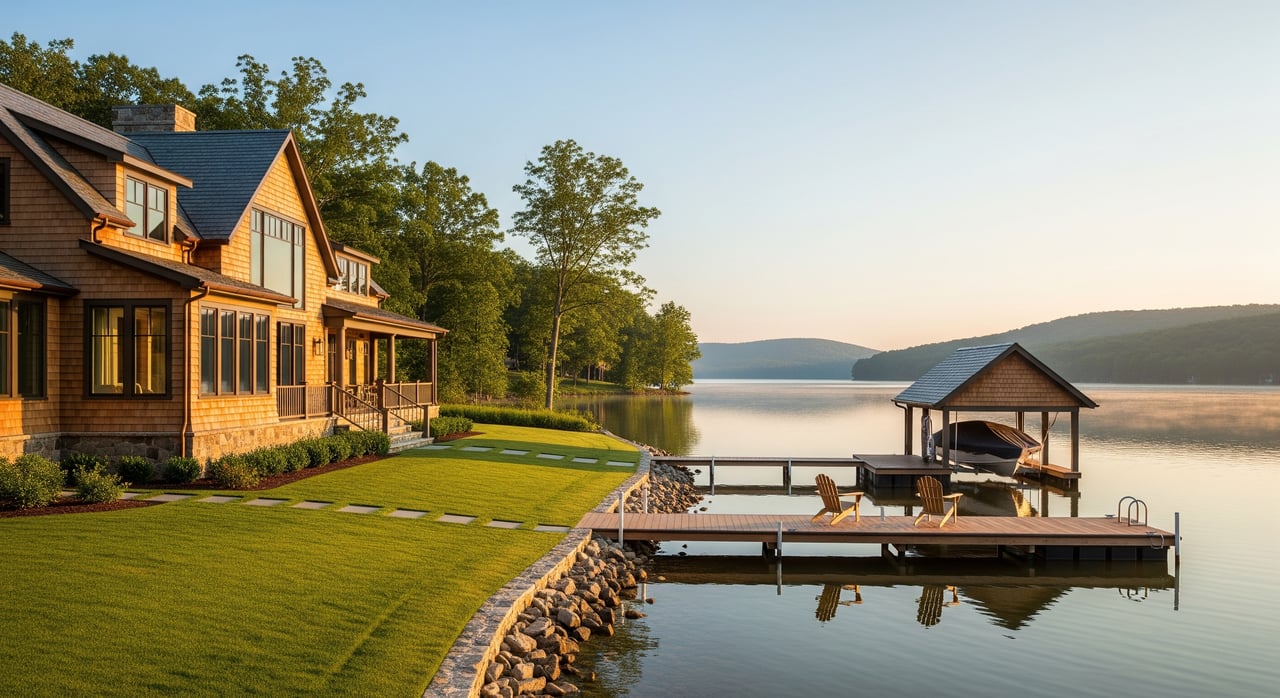
Picture your morning coffee on a quiet cove, the water just starting to ripple as the sun comes up. If a Lake Monticello waterfront home is on your radar, you’re not alone. Buying on the water feels special, but it also adds rules, inspections, and costs that you don’t face inland. This guide breaks down what to check, who to call, and how to buy with confidence in Palmyra and Fluvanna County. Let’s dive in.
Lake Monticello overview
Lake Monticello sits in Fluvanna County near Palmyra, with a property owners association and a full suite of community amenities. You will find beaches, boat access points, parks, and community facilities that support a true lake lifestyle. These amenities can influence HOA dues, day-to-day rules, and long-term resale value.
Local services can vary by property. Some homes may use community water or sewer, while others rely on private wells and septic systems. Confirm utility details early so you understand service fees, maintenance responsibilities, and how that impacts your budget.
Top waterfront considerations
Ownership and shoreline rights
Start by learning how the shoreline is owned and used. Some parcels own to the waterline, while others include shared or common shoreline areas. Review the deed, plat, and any easements to see if neighbors share access or if a buffer strip limits private shoreline use.
Easements for shared piers, path access, or utilities are common around planned lakes. These affect where you can build, who can use the shoreline, and potential future disputes. Request a current survey to confirm boundaries and shoreline meet-up points.
HOA rules and fees
The Lake Monticello Property Owners Association governs community rules, architectural guidelines, and recreational use. Ask for current covenants, bylaws, and fee schedules before you write an offer. Dues, special assessments, and transfer fees all affect your carrying costs and resale.
Review meeting minutes and recent budgets for insight into upcoming lake or infrastructure projects. Planned work on roads, shoreline stabilization, or amenities can benefit owners but may lead to temporary restrictions or added costs.
Docks, boats, and permits
Confirm whether the parcel allows a private dock and what approvals are required. In many lake communities, you may need association approval for size, location, and materials. Certain projects can also require permits from Fluvanna County.
If shoreline work or in-water structures are planned, state and federal permits may apply. Depending on the scope, you may need to coordinate with the Virginia Department of Environmental Quality, the Virginia Department of Wildlife Resources, and the U.S. Army Corps of Engineers. Keep approvals in writing and retain records for future resale.
Erosion, slope, and shoreline stability
Waterfront lots face unique erosion forces. Bulkheads, riprap, or natural vegetated banks each carry different maintenance needs and costs. Ask about any past shoreline reinforcement, storm damage, and who handled repairs.
There is growing guidance around living shoreline options that use native plantings and softer methods. These solutions can be more natural and resilient, but approval processes differ. A shoreline contractor can help you compare long-term maintenance, safety, and permit requirements.
Water quality and seasonal use
Freshwater lakes can experience nutrient-driven algae or seasonal water clarity changes. Check recent water-quality updates and advisories from local authorities. Water quality can influence swimming, boating, aesthetics, and even short-term restrictions.
Seasonal changes matter too. Confirm quiet hours, wake or speed limits, and how busy the water gets on weekends. If you want calm waters for paddle sports or fishing, a cove may suit you better than a high-traffic area.
Flood risk and insurance
Being on the water does not automatically place you in a high-risk flood zone, but you should check FEMA flood maps and any county floodplain data for your specific parcel. If your home lies in a mapped high-risk zone, your lender may require flood insurance.
A licensed surveyor can provide an Elevation Certificate, which helps insurers price coverage. Consider how docks, boathouses, and shoreline structures are insured. Standard home policies often exclude certain water-related items without specific endorsements.
Septic, wells, and utilities
Many lake-area homes rely on private septic systems and wells. Ask for septic inspection reports, pump and maintenance records, and any permits on file. The Virginia Department of Health regulates onsite sewage systems, and those rules guide design and replacement.
If the property is served by community water or sewer, request service agreements and rate schedules. Replacement or upgrade of septic systems near a lake can be costly, so early evaluation is critical.
Appraisal, lending, and resale
Lenders and appraisers treat waterfront differently because of unique site factors and fewer comparable sales. Expect a careful review of shoreline improvements, lot shape, and view quality. Loan options can vary by property type and community rules, so confirm acceptable programs early.
On resale, waterfront premiums depend on shoreline stability, privacy, views, and amenity access. Carrying costs like HOA dues, special assessments, and insurance can influence your buyer pool. Keep clear records of permits and maintenance to support value.
Access, roads, and emergency services
Verify how your road is maintained, especially if it is private. Ask about snow and winter service plans, and learn which agency handles police and emergency response. Easy access matters for everyday living and for future appraisal and resale.
Your due diligence checklist
Use this quick checklist to move from interest to confident offer.
- Title and survey
- Request current title, plat, and boundary survey. Confirm shoreline boundaries and any easements.
- Order a new survey if previous documents are outdated or unclear.
- HOA and community documents
- Review covenants, bylaws, rules, fee schedules, budgets, and recent meeting minutes.
- Ask about any planned capital projects or special assessments.
- Permits and shoreline records
- Gather permits and records for docks, bulkheads, riprap, or shoreline work.
- Confirm who approved past projects and whether final inspections were completed.
- Property disclosures
- Review disclosures for flooding, drainage, past storm damage, mold, or structural concerns.
- Ask for photos or documents that show high-water history.
- Inspections
- General home inspection for structure, roof, foundation, and systems.
- Shoreline and dock inspection by a qualified marine contractor, including electrical and anchoring.
- Septic evaluation with pump records and capacity check; well water testing if applicable.
- Environmental review if there are signs of old fill, fuel tanks, or wetlands.
- Risk and insurance
- Check FEMA flood zone and consider an Elevation Certificate.
- Get quotes for homeowners, flood, and any dock or boat coverage.
- Financing and appraisal
- Confirm loan programs that fit waterfront properties and HOA requirements.
- Discuss appraisal approach for waterfront premiums and shoreline improvements.
Where to verify details
- Lake Monticello Property Owners Association: governance, docks, recreational rules, and dues.
- Fluvanna County Planning and Zoning and Building and Inspections: zoning, setbacks, and shore work permits.
- Fluvanna County Commissioner of the Revenue and Treasurer: property tax treatment and assessments.
- Virginia Department of Environmental Quality: permits and water quality standards.
- Virginia Department of Health: onsite sewage system and well guidance.
- Virginia Department of Wildlife Resources: fisheries, invasive species, and boat rules.
- FEMA and the National Flood Insurance Program: flood maps and insurance guidance.
- U.S. Army Corps of Engineers: permit oversight for certain in-water work.
Common pitfalls and smart tips
- Skipping shoreline inspections. A sturdy home can sit next to a failing bulkhead or anchored dock. Bring in a marine contractor to avoid surprises.
- Assuming all lots allow private docks. Rules vary by location and shoreline conditions. Confirm approvals before you plan improvements.
- Overlooking septic capacity. A system that works for two people may not suit a larger household or frequent guests. Evaluate capacity and replacement pathways.
- Ignoring flood and insurance variables. Zone, elevation, and structure details will drive costs. Get quotes early to set a realistic budget.
- Not checking association plans. Upcoming lake or amenity projects can change access or lead to temporary restrictions. Read the minutes and ask questions.
When you cover these bases, you buy the view and the lifestyle with your eyes open. That is how you protect your experience and your investment.
Ready to explore Lake Monticello waterfront with a team that pairs construction know-how with local expertise? Reach out to The Griggs Group to start a focused search, schedule inspections, and navigate approvals with confidence.
FAQs
What is the difference between lakefront, lake view, and lake access at Lake Monticello?
- Lakefront touches the shoreline, lake view overlooks the water without direct frontage, and lake access typically includes community or shared access points without private shoreline control.
Do I need flood insurance for a Lake Monticello waterfront home?
- It depends on your parcel’s FEMA flood zone and elevation; check maps for your address and get quotes to understand lender requirements and costs.
Are private docks allowed at Lake Monticello, and who approves them?
- Docks can be allowed based on location and rules, but approvals typically involve the association and may require county and other permits for in-water work.
How should I evaluate a septic system near the lake?
- Order a licensed septic inspection, review pump and maintenance records, confirm capacity, and ask about replacement options under Virginia Department of Health rules.
What questions should I ask the seller and association before I buy?
- Ask about flooding or shoreline repairs, planned capital projects or assessments, boat and rental restrictions, and any seasonal limits on docks or water use.